Product Overview
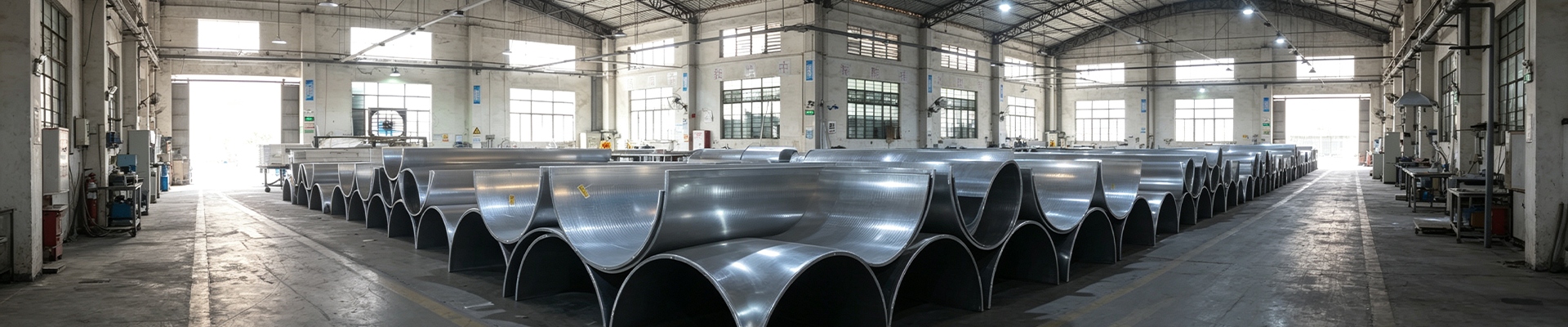
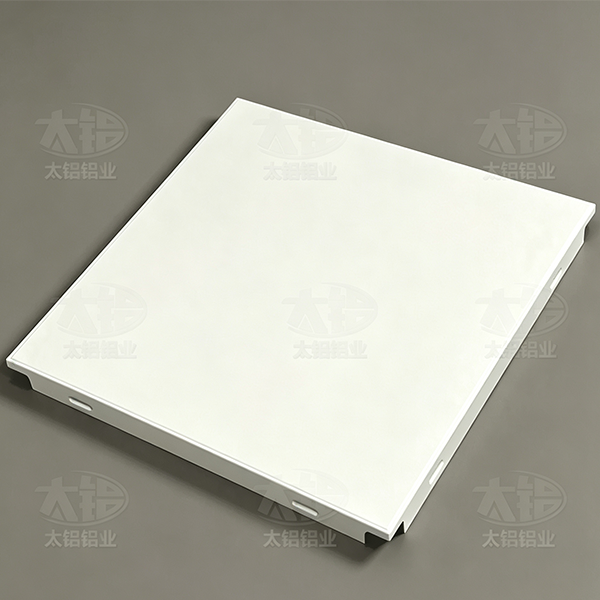
Aluminum profile panels are modular ceiling decoration panels made from aluminum alloy sheets as the base material. After cutting, bending, and stamping, they are then processed with surface treatment methods such as spraying, roller coating, film covering, and anodizing. They are the most widely used metal decoration materials in home decoration and engineering ceiling applications. The aluminum profile panels produced by Guangzhou Tai Aluminium Aluminium Industry strictly follow the dual standards of GB/T 23443-2024 "Aluminum Single Panels for Building Decoration" and GB/T 34454-2017 "Building Metal and Metal Composite Ceiling Panels". They use primary aluminum-magnesium/aluminum-manganese alloy base materials and are produced through an automated process. They have core advantages such as lightweight, high strength, waterproof and fireproof properties, and easy maintenance. They can be combined with the same series of aluminum single panels and aluminum square tubes to achieve unified space style, and are widely used in home decoration, commercial, and public building ceiling projects in Guangzhou and the southern region.
Core Advantage
1. Waterproof & Fireproof, Suitable for Multiple Scenarios
The metal base material reaches Class A non-combustible standard, completely solving the pain points of flammable PVC panels and water-sensitive gypsum boards. It is waterproof, moisture-proof and rust-free, stably applicable to humid and oily environments such as kitchens, bathrooms and balconies. It can also be used in factory buildings, machine rooms and other engineering sites with fire protection requirements.
2. Stain Resistant & Easy to Clean, Ultra-low Maintenance Cost
The dense surface coating is smooth and anti-staining. Kitchen grease and condensed water vapor in bathrooms can be directly wiped clean with a soft cloth, without stain penetration or yellowing. Unlike gypsum boards and PVC panels that require regular replacement or repainting, daily maintenance costs are nearly zero.
3. Stable Structure, No Deformation for Long-term Use
The primary aluminum-magnesium / aluminum-manganese alloy substrate features excellent toughness and high strength. Installed with standard keel systems, it will not sag, deform or warp during long-term service. The panel is stress-relieved, free from arching and cracking under temperature fluctuation. Its normal indoor service life can reach 15–20 years.
4. Modular Installation, Convenient & Fast Maintenance
Adopting standard snap-on / hook-on installation, dry construction delivers high efficiency. Two workers can finish 100㎡ area within one day. Single panels can be detached independently without damaging the whole ceiling, facilitating later inspection of top pipelines and replacement of electrical equipment.
5. Eco-friendly & Safe, Ready for Occupancy Right After Installation
The all-aluminum substrate emits no formaldehyde or VOC. Its surface treatment meets indoor environmental standards. The space is usable immediately after installation with no need for ventilation to remove odors, ideal for homes, hospitals, schools and other sites with strict environmental requirements. The product is 100% recyclable, complying with green building specifications.
6. Versatile Style, Adaptable to All Scenarios
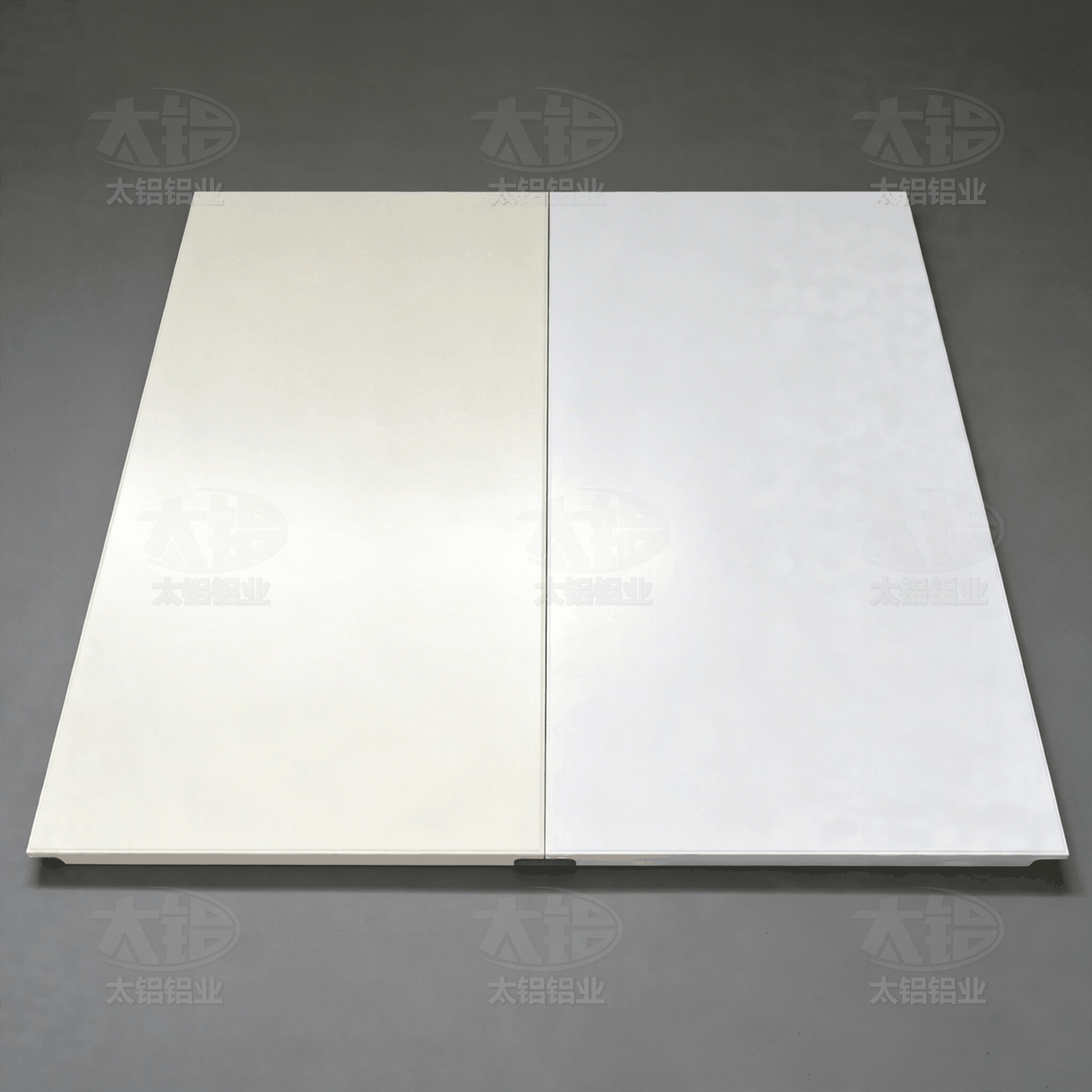
Rich options for surface finish, colors and specifications are available, supporting solid color, wood grain, perforation, modeling and other effects. It matches various decoration styles including modern minimalist, light luxury, industrial and new Chinese. It can meet demands ranging from home kitchen & bathroom ceilings to large public building ceiling projects.
Product Classification & Selection Guide
1.Classification by Surface Finish
- Roll-coated aluminum ceiling panel: Adopts imported coating applied by roller curing. Features strong coating adhesion, scratch & abrasion resistance, excellent oil stain resistance, no color difference and no yellowing. It delivers the best cost performance and is the preferred finish for kitchens and bathrooms in residential projects.
- Film-covered aluminum ceiling panel: Laminated with PVC decorative film on surface. It has rich pattern options and affordable price, yet mediocre high-temperature resistance. Suitable for dry areas such as balconies and corridors. Not recommended for long-term use in high-temperature kitchen environments.
- Sprayed aluminum ceiling panel: Polyester powder spraying. Wide range of color options at low cost, widely used for cost-sensitive commercial projects such as factory buildings and underground parking garages.
- Anodized aluminum ceiling panel: Surface treated by anodizing. Coating-free, high hardness, scratch & wear resistant, strong metallic texture, non-peeling and non-fading. It belongs to high-end residential options and is recommended if budget permits.
- Fluorocarbon aluminum ceiling panel: Surface fluorocarbon spraying. Outstanding weatherability and corrosion resistance, suitable for ceiling applications on balconies, outdoor canopies and semi-open spaces.
2.Classification by Functional Properties
- Standard decorative type: Solid color panel, suitable for dry spaces without special functional requirements such as corridors, offices and living rooms.
- Oil-stain resistant type: Nano anti-oil coating on surface, repels grease and can be wiped clean in one swipe. Specially designed for heavy oil environments such as kitchens and restaurants.
- Antibacterial clean type: Antibacterial ions added into coating, inhibiting ≥99% of common bacteria. Suitable for places requiring high cleanliness, including hospitals, schools and food factories.
- Perforated sound-absorbing type: Regular micro holes stamped on panel, with sound-absorbing cotton and non-woven fabric attached to the back. Noise reduction coefficient NRC≥0.6. Ideal for acoustically demanding spaces like machine rooms, cinemas and meeting rooms.
- Wind & shock resistant type: Adopts hook-on structure for firm locking between panel and keel. Strong wind uplift resistance, applicable for high-wind and vibration scenarios such as metro stations, airports and factories.
3.Classification by Installation Method
- Snap-on integrated ceiling type: Installed with triangular keel for tight seamless jointing. Fits small-size panels 300×300, 300×600 for residential use, compatible with lighting, bathroom heater and other electrical modules.
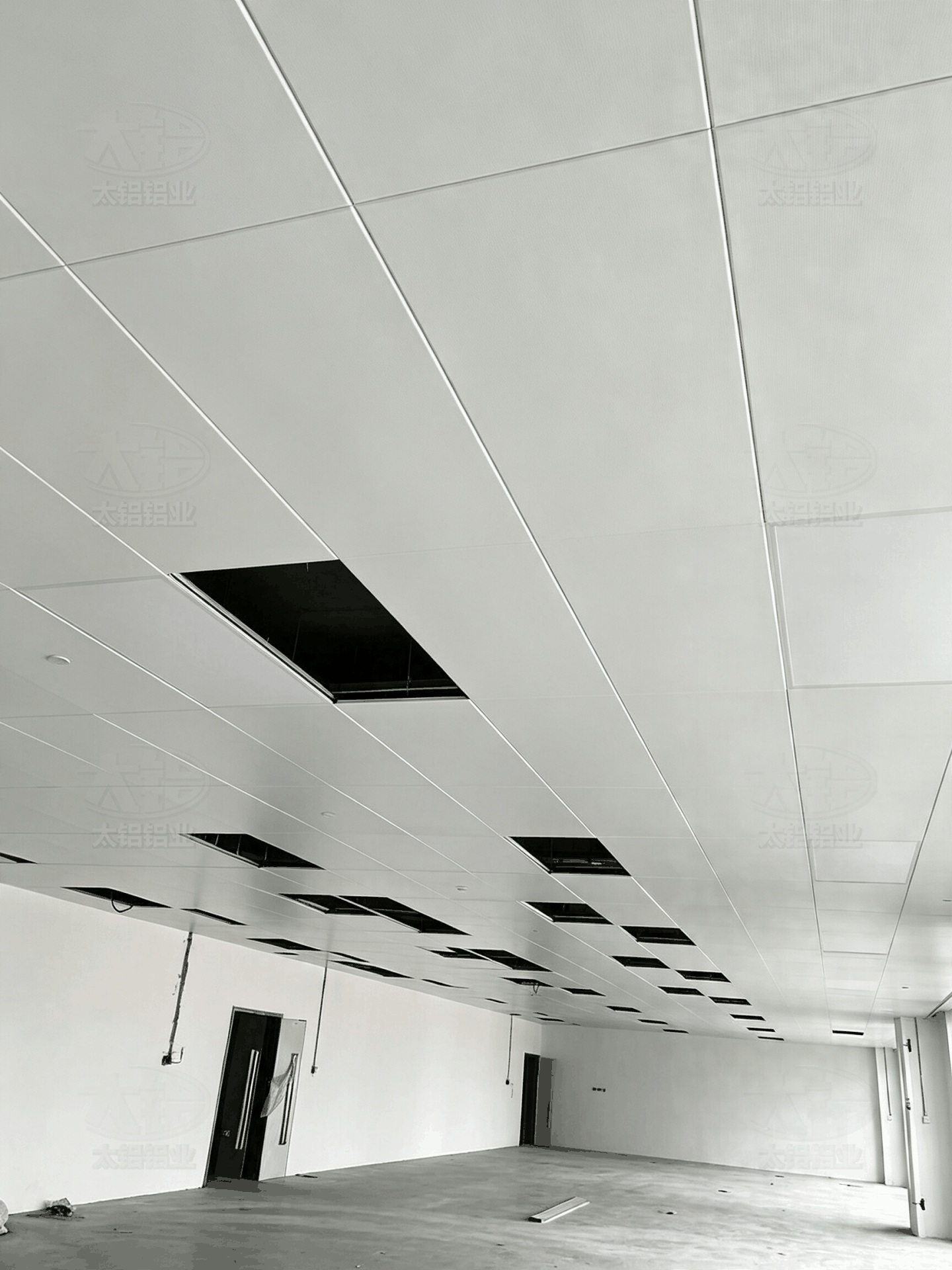
- Exposed frame stepped type: Mounted on T-bar keels with exposed keels. Easy installation and convenient maintenance. The most common installation solution for 600×600 commercial panels, widely used in offices, factories and schools.
- Concealed frame flat type: Hidden keel design. Seamless flat surface after installation with no exposed keels, delivering high aesthetic performance. Suitable for high-end sites such as shopping malls and hotels.
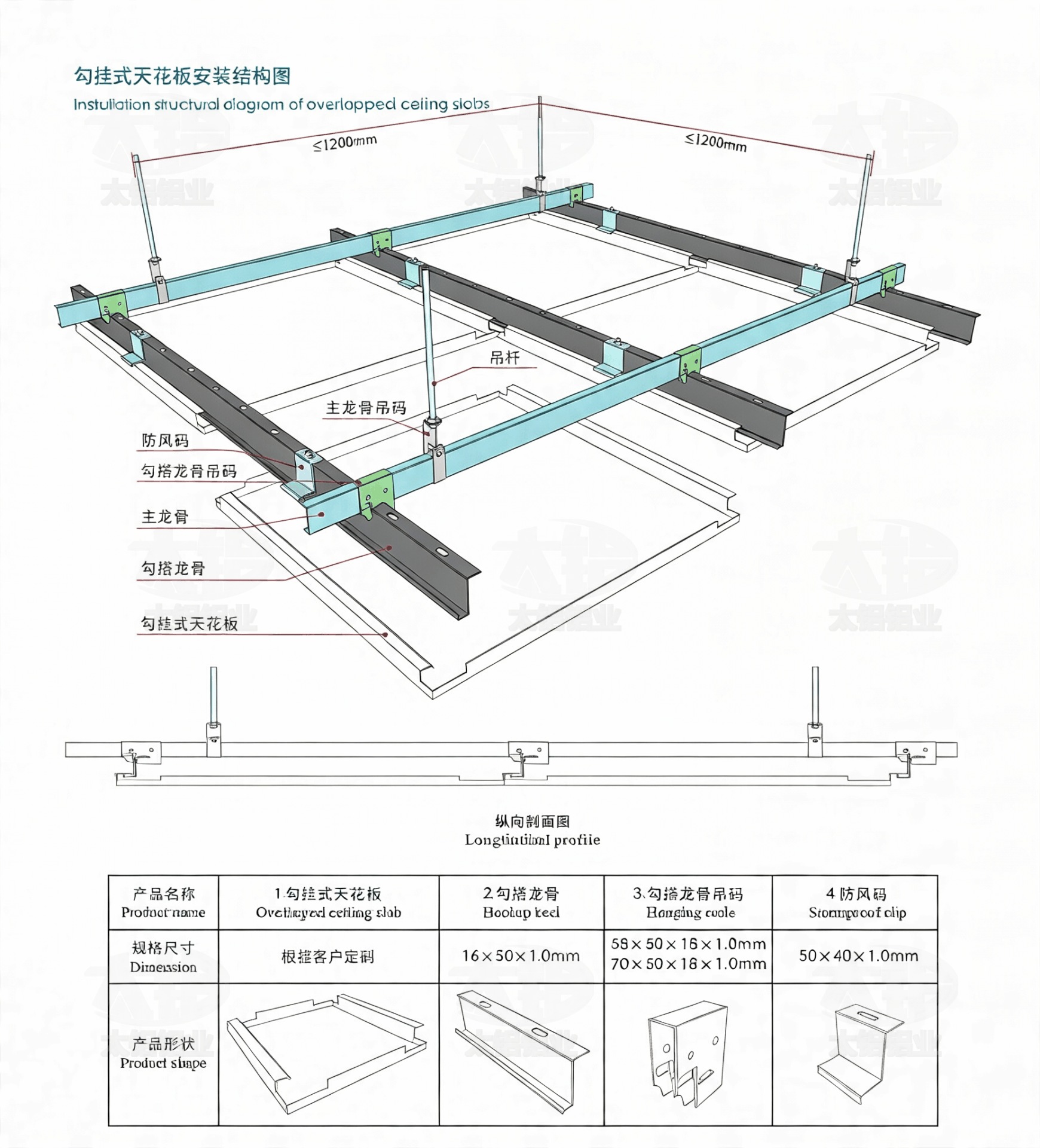
- Hook-on type: Panels lock onto keels via hook structure. Robust structure and good sealing performance, suitable for large-size panels and public spaces requiring high wind resistance.
4.Selection Recommendations
- Residential Kitchen & Bathroom: Prioritize 0.6–0.7mm roll-coated oil-resistant panels. Choose 300×300mm for small areas, and 300×600mm for large or open kitchens & bathrooms.
- Office / School / Factory: 0.8–1.0mm, 600×600mm matte white exposed-frame commercial panels. High cost efficiency and fast installation.
- Hospital / Food Workshop: 0.8–1.0mm antibacterial clean panels to meet sanitary requirements.
- Machine Room / Cinema / Meeting Room: Perforated sound-absorbing panels for decoration and noise reduction.
- Balcony / Semi-outdoor Space: Fluorocarbon coated panels of ≥1.0mm for superior weathering and anti-aging performance.
5.Installation System Composition
Aluminum ceiling systems fall into two categories by application scenario. Tai Aluminum can supply all matching accessories.
- Residential Integrated Ceiling System: Expansion bolts + full-thread suspension rods + light steel main keels + triangular cross keels + aluminum panels + edge trim + matching electrical modules. The finished surface is flat with minimal gaps, directly compatible with lighting, bathroom heater and ventilation modules of the same size.
- Commercial Ceiling System: Expansion bolts + suspension rods + main keels + T-shaped cross keels (exposed frame) / hook keels (concealed frame) + aluminum panels + edge trim. Large-scale projects can add access panels for convenient pipeline maintenance in later stages.
6.Application Scenarios
- Residential Spaces: Ceilings for kitchens, bathrooms, balconies, entryways and corridors
- Commercial Spaces: Ceilings for shopping malls, supermarkets, hotels, restaurants, retail stores and offices
- Public Buildings: Ceilings for schools, hospitals, metro stations, airports, exhibition halls and gymnasiums
- Industrial Spaces: Ceilings for factories, machine rooms, warehouses and underground parking garages
- Special Scenarios: Ceilings for semi-outdoor spaces including open balconies, rain canopies and equipment rooms
FAQS
1. What are the differences between aluminum ceiling panels, PVC panels and gypsum board ceilings?
A: The core differences lie in performance, service life and applicable scenarios:
- Aluminum ceiling panel: Metal material, Class A waterproof & fireproof, mildew-proof and deformation-resistant, easy to clean and demountable for maintenance. Suitable for most scenarios including kitchens, bathrooms and engineering projects, with a service life of 15–20 years.
- PVC panel: Plastic material, low price yet prone to aging and yellowing, low fire rating, and may release harmful substances under high temperature. Only fit for temporary low-budget renovation.
- Gypsum board: Excellent molding capability and sound insulation, but vulnerable to water and dampness, non-demountable and troublesome for repairs. Better for decorative ceilings in dry spaces such as living rooms and bedrooms.
2. Is integrated ceiling the same as aluminum ceiling panel?
A: No, they are different concepts. Aluminum ceiling panel is the base board material for ceilings. An integrated ceiling uses aluminum panels as the carrier, integrating electrical modules (lighting, ventilation, heating, cooling fans) with panels into one ceiling system, combining functionality and decoration. It is the mainstream solution for residential kitchens and bathrooms.
3. Does a thicker aluminum ceiling panel always mean better quality?
A: Not necessarily. 0.5–0.7mm thickness fully meets residential requirements. Excessively thick panels only raise costs. Some dishonest suppliers use recycled aluminum for thick boards; such panels contain many impurities with poor toughness and deform easily. The key selection criteria are primary aluminum substrate, panel flatness and surface finish, not merely thickness.
4. What size of aluminum ceiling panel is suitable for home use?
A: Select according to space size:
- Small kitchen & bathroom of 4–6㎡: 300×300mm. Flexible installation, low material waste and better coordination with electrical modules.
- Large kitchen & bathroom over 6㎡ / open kitchen: 300×600mm. Strong visual extension for a more minimalist and elegant look.
- Balconies and corridors: Both sizes are available, matched with the overall decoration style.
5. How to choose between film lamination, roller coating and anodizing finishes?
A: Select based on scenario and budget:
- Limited budget, dry areas (balconies, corridors): Film-laminated panels for high cost performance.
- Preferred for home kitchens & bathrooms: Roller-coated oil-resistant panels, scratch & stain resistant, non-yellowing and best value for money.
- Sufficient budget, premium quality: Anodized aluminum panels, higher hardness, non-peeling, premium texture and longer service life.
6. How to judge the quality of aluminum ceiling panels?
A: Simple inspection method: Observe, Touch & Bend
- Observe: Flat panel free of scratches, color difference and particles; uniform anti-corrosion coating on the back with branded steel stamp.
- Touch: Smooth delicate surface, straight board without warped edges, neat corners free of burrs.
- Bend: Gently bend the panel corner. Premium primary aluminum features good toughness and rebounds with no obvious creases after release. Recycled aluminum is brittle and tends to crack or leave permanent creases after bending.
7. What is the price of 600×600mm commercial aluminum ceiling panel per square meter?
A: Regular 0.8mm matte white commercial panel: material cost approx. USD 5–8 /㎡; turnkey installation approx. USD 12–18 /㎡. Prices rise with thicker gauge and extra functions (sound absorption, antibacterial, fluorocarbon coating). Final price is calculated based on project quantity, thickness and technical requirements. Volume orders enjoy project discounts.
8. How much ceiling height should be reserved for aluminum panel installation?
A: 8–10cm clearance for ordinary flat ceilings. If installing bathroom heaters, fresh air systems, duct fans or other equipment, reserve 15–25cm according to equipment thickness. Subject to the actual dimensions of selected devices.
9. How to clean heavy kitchen grease off aluminum ceiling panels?
A: Wipe daily dust with dry cloth. For heavy grease, dilute neutral detergent with water, wipe gently with soft cloth and clean again with damp cloth. Do not use steel wool, strong acid or strong alkaline cleaners, to avoid scratching or corroding the surface coating.
10. Will aluminum ceiling panels deform or sag?
A: Qualified products installed properly will not deform or sag. Deformation usually arises from three causes: insufficient panel thickness / recycled aluminum; excessive keel spacing and uneven installation; long-term close exposure to high temperature from bathroom heaters. Choose genuine products and professional construction teams to fully avoid this issue.
11. Do you stock standard sizes? How long is the lead time for custom orders?
A: Our warehouse in Panyu, Guangzhou keeps stock of 0.6–1.0mm matte white, silver gray and other regular specifications for immediate shipment. Custom colors, special sizes and functional panels take 3–7 days for production. Delivery service available within the Pearl River Delta region.
12. Can a single damaged aluminum ceiling panel be replaced?
A: Yes. Aluminum panels adopt modular installation. Use a suction cup to remove the damaged panel and replace it directly with a new panel of the same specification. No need to dismantle the whole ceiling, featuring low maintenance cost and simple operation.