
Product Overview
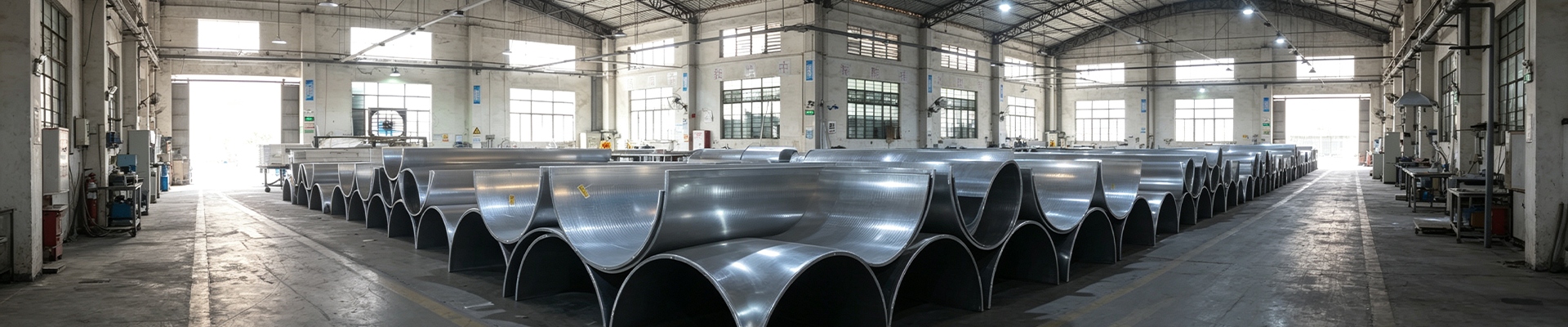
Aluminum profile panels are modular ceiling decoration panels made from aluminum alloy sheets as the base material. After cutting, bending, and stamping, they are then processed with surface treatment methods such as spraying, roller coating, film covering, and anodizing. They are the most widely used metal decoration materials in home decoration and engineering ceiling applications. The aluminum profile panels produced by Guangzhou Tai Aluminium Aluminium Industry strictly follow the dual standards of GB/T 23443-2024 "Aluminum Single Panels for Building Decoration" and GB/T 34454-2017 "Building Metal and Metal Composite Ceiling Panels". They use primary aluminum-magnesium/aluminum-manganese alloy base materials and are produced through an automated process. They have core advantages such as lightweight, high strength, waterproof and fireproof properties, and easy maintenance. They can be combined with the same series of aluminum single panels and aluminum square tubes to achieve unified space style, and are widely used in home decoration, commercial, and public building ceiling projects in Guangzhou and the southern region.
Core Advantage
1. Rich Decorative Effects
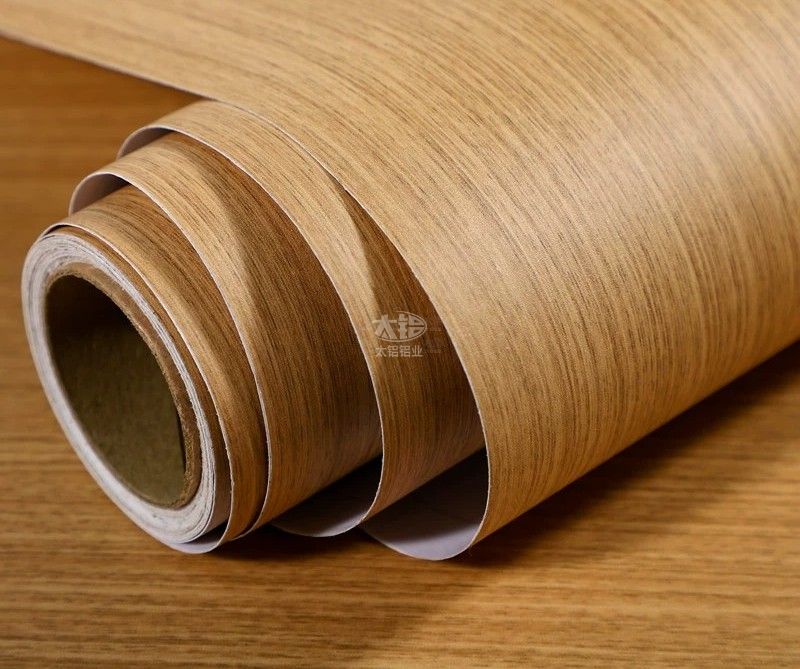
By selecting decorative films with different textures and patterns, it can realistically present various high-end decorative effects such as imitation wood grain, imitation stone grain, and metal brushing. The consistency and fidelity of color and texture surpass traditional spraying techniques, meeting the personalized needs of various architectural designs.
2. Excellent Weather Resistance
Made with high-performance coating materials such as PVDF (polyvinylidene fluoride) or FEVE (fluorocarbon resin), the molecular structure is highly stable, with strong UV and chemical corrosion resistance. The product has a service life of 20~25 years, maintaining long-lasting stability in color and gloss even in harsh outdoor environments.
3. Wear-Resistant and Scratch-resistant
The surface of the film layer is highly hard, offering excellent wear and scratch resistance, effectively resisting scratches and wear during daily use, and extending the aesthetic lifespan of building finishes.
4. Self-Cleaning and Easy Maintenance
The surface is dense and smooth, making it difficult for dust and dirt to adhere and self-cleaning with just rain washing. Daily maintenance is simple, effectively reducing the cost of cleaning and upkeep in the later stages of the building.
5. Green and environmentally Friendly
The lamination process is a dry composite technology that achieves almost zero VOCs (volatile organic compounds) emissions during production, with energy consumption far lower than traditional multi-spray processes, making it an environmentally friendly material that meets green building standards.
Laminated aluminum panel process and performance
1. Substrate Pretreatment
Using 3000 series or 5000 series aluminum alloys (such as 3019, 5005), and after multiple cleaning and chemical conversion treatments (such as chromization), an extremely thin and uniform chemical oxide film forms on the substrate surface. This oxide film significantly enhances the substrate's surface activity, providing an excellent adhesion base for subsequent adhesives.
2. Adhesive Application
On the surface of the pretreated aluminum plate, a specialized polymer hot melt adhesive is evenly applied. This adhesive layer is the key medium layer connecting the metal substrate and the decorative film, and its coating thickness and uniformity directly affect the final lamination strength.
3. High-Temperature Thermal Lamination
The decorative film and glued-coated aluminum sheet are simultaneously fed into a precision thermal lamination unit, where under precisely controlled high temperature (about 180~220°C) and high pressure, the hot melt adhesive fully melts and fully immerses the interface between the aluminum plate and the film layer, achieving tight molecular bonding.
4. Cooling and Setting
After thermal lamination is completed, the panels immediately enter the rapid cooling system for shaping to eliminate internal stress, ensure the flatness of the finished panel surface, and stabilize the adhesion of the film layer.