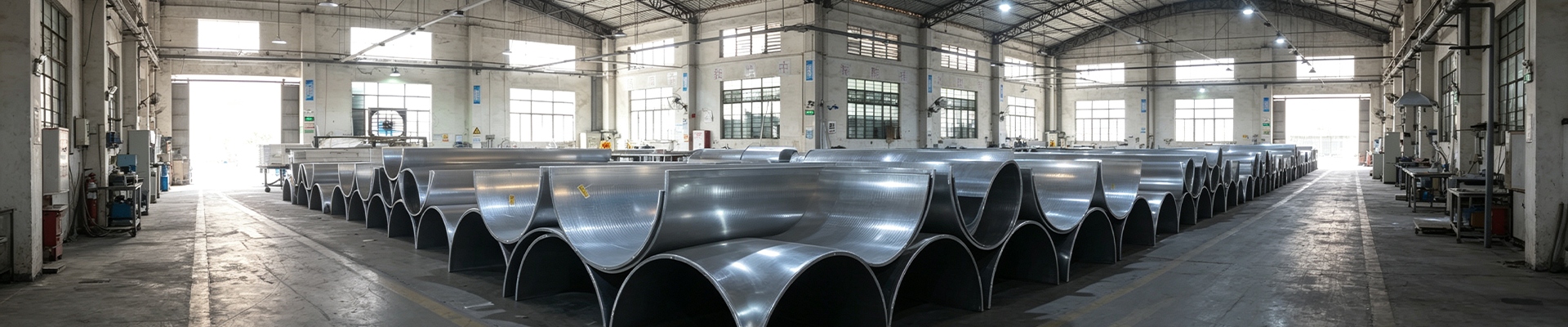
Product Overview
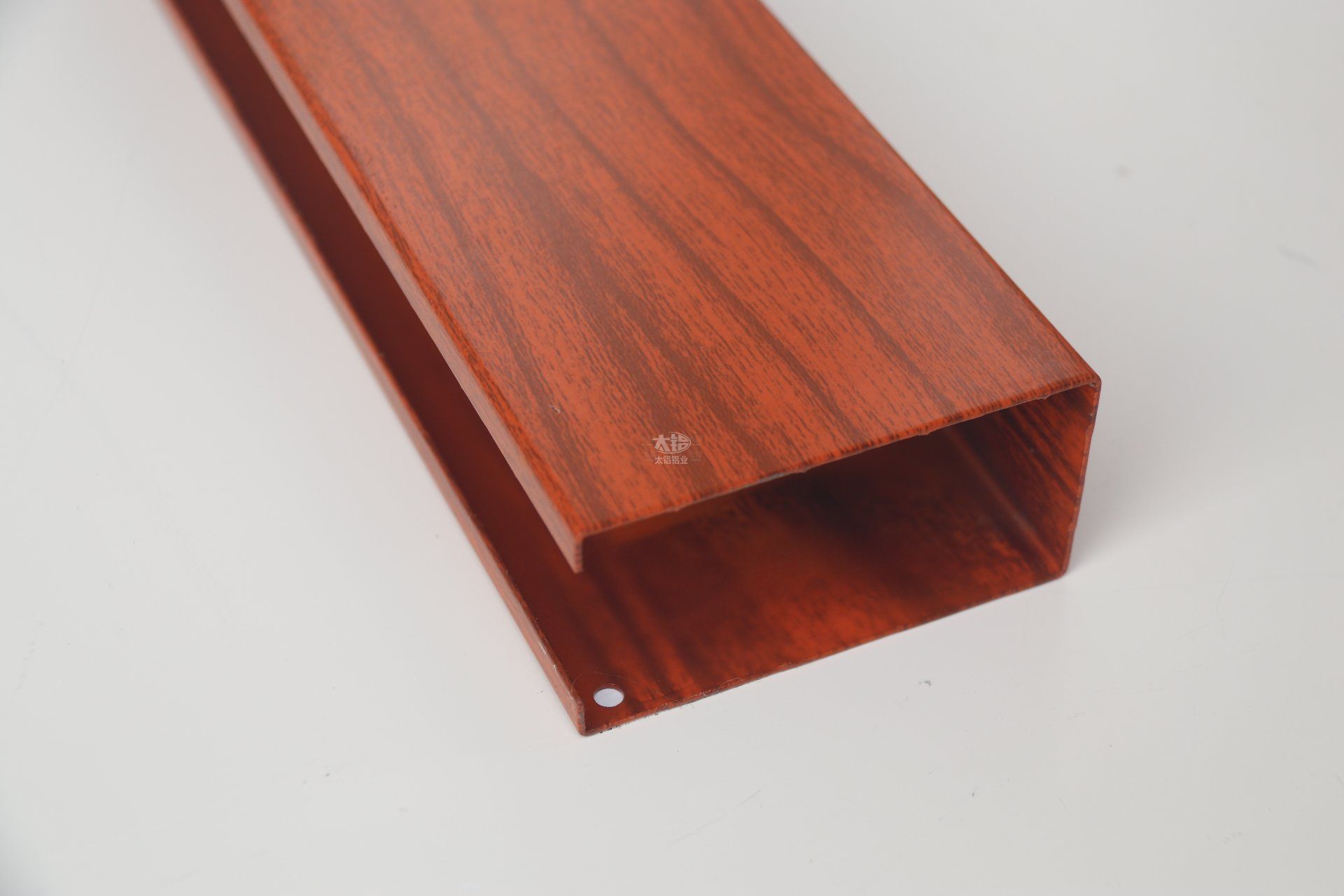
Imitation wood grain heat transfer printing is an advanced surface treatment technology that "replicates" the natural wood grain onto the surface of aluminum. This technology is based on the principle of high-temperature sublimation and thermal osmosis. Through heating and pressurization, the wood grain patterns on transfer paper or transfer film are rapidly transferred and penetrated into aluminum surfaces that have undergone powder spraying or electrophoretic coating, resulting in clear, three-dimensional, and lifelike wood grain effects.
It is not just a simple sticker; rather, it uses high temperatures to sublimate the ink on the transfer paper and penetrate into the substrate coating, allowing the wood grain pattern to blend seamlessly with the aluminum surface. This process gives the originally cold metal material the warm visual texture of wood, achieving a perfect combination of metal strength and natural aesthetics.
Core Advantage
1. Realistic Texture, Making Fake Look Like Real Thing
Imitation wood grain heat transfer printing can replicate extremely realistic wood grain details, including joints, rings, conduit textures, and color variations. The products offer a variety of wood grain patterns such as walnut, beech, oak, and sandalwood, supporting customized textures. Aluminum processed by heat transfer has clear surface grain and strong three-dimensionality, better reflecting the natural effect of wood grain—"it's hard to tell real from fake even up close or from afar."
2. "Aluminum Instead of Wood"—Green and Environmentally Friendly
Imitation wood grain heat transfer printing is a typical practice of the "replacing wood with aluminum" concept. Compared to natural wood, imitation wood grain aluminum offers the following environmental advantages:
- Protecting Forest Resources: Reducing the cutting of natural timber and lowering the consumption of non-renewable resources
- 100% Recyclable: Aluminum is a renewable energy source, and waste can be recycled, aligning with the circular economy concept
- Zero Formaldehyde Emission: Free from formaldehyde and other harmful gases, non-toxic and odorless, beneficial for environmental protection and human health
4. Weather Resistance and Long-Lasting Durability
The wood-grain heat transfer coating has excellent weather resistance and can adapt to the changing outdoor climates. Whether facing scorching heat, heavy rain, or severe frost, its performance remains stable. The coating's weather resistance (UV resistance) can reach a fading level of over 10 years, far surpassing the performance of real wood in outdoor environments.
5. Easy to Clean and Low Maintenance Costs
The surface coating of woodgrain-like heat transfer products does not evaporate or oxidize in the air, causing no environmental pollution. Once cleaned, dirt deposited on the surface can restore its original shine and appearance, avoiding the frequent maintenance required for solid wood.
Product Classification & Selection Guide
1.The Process Flow of ImitationWood Grain Heat Transfer Printing
- Step 1: Substrate pretreatment
Aluminum profiles or aluminum plates undergo degreasing, pickling, and chromatization steps to remove surface oil stains and oxides, forming a uniform chemical conversion film to enhance coating adhesion and corrosion resistance.
- Step 2: Powder coating or electrophoretic coating
After pretreatment, the aluminum surface is powder-coated or electrophoretic coated to form a base color coating. This is the prerequisite for heat transfer—the wood grain pattern must be transferred onto the existing organic coating.
- Step 3: Wrap with wood grain transfer paper
Select custom wood-grain heat transfer paper, fully wrap the aluminum material, and secure the paper interface with high-temperature adhesive tape to prevent the transfer paper from loosening. The surface to be transferred must be laminated with the front side of the wood grain paper.
Place the wrapped aluminum material into a heat-resistant film bag, stack one end to clamp it, and connect the other end to the vacuum nozzle for vacuuming. Vacuum negative pressure causes wood grain paper to adhere tightly to the aluminum surface. The vacuum negative pressure is usually adjusted according to the shape of the aluminum material and the film's bearing capacity, generally between 0.3 and 0.6 MPa.
- Step 5: High-temperature heat transfer printing
After vacuuming, the aluminum material is placed into an oven for heating. The transfer temperature is usually 160~180°C, and the time is 5~8 minutes. At high temperatures, the ink on the transfer paper sublimates and penetrates into the substrate coating, forming clear wood grain patterns.
- Step 6: Tear the paper after baking
After the set time, remove the aluminum surface waste paper and clearly display the simulated wood grain.
2.Application Scenarios
- Building curtain walls: Interior and exterior wall decoration for commercial complexes, office buildings, hotels, etc
- Indoor ceilings: Ceiling systems in public spaces such as airports, subways, stations, exhibition halls, and hospitals
- Aluminum alloy doors and windows: Profiles for high-end residential and commercial buildings
- All-aluminum furniture: Wardrobes, cabinets, filing cabinets, and other indoor furniture
- Outdoor landscape facilities: Roadside flower boxes, balcony guardrails, courtyard guardrails, riverside guardrails, lawn guardrails, leisure pavilions, etc
- Interior decoration: Sliding doors, wall decorations, stair handrails, etc