Product Overview
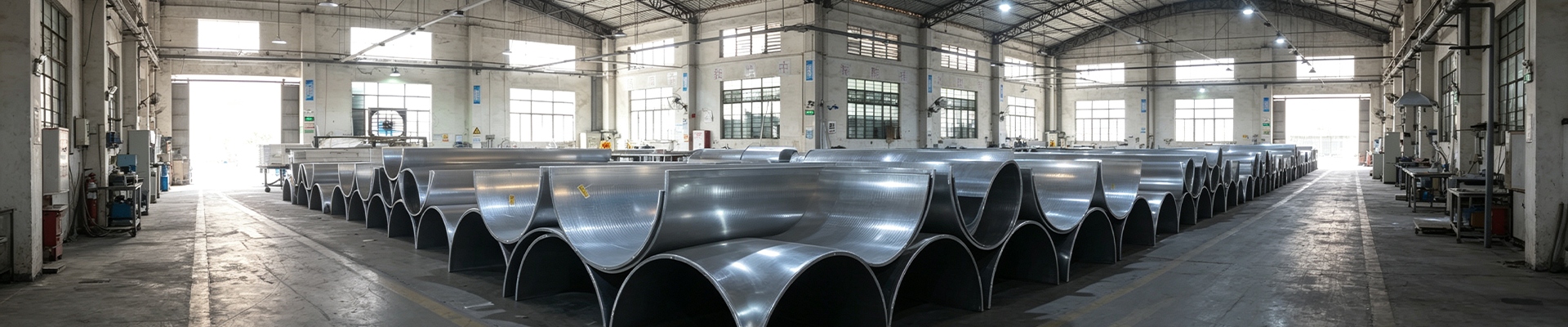
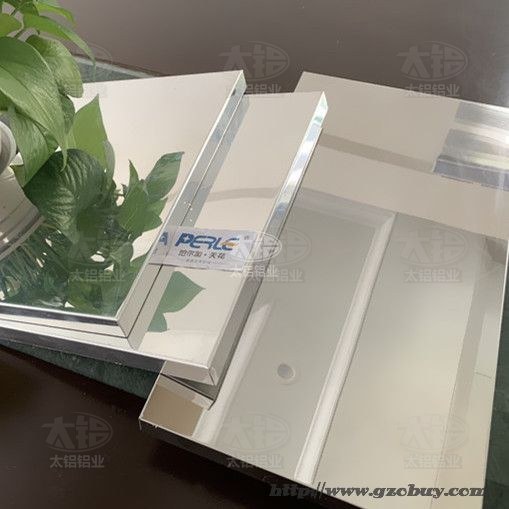
Mirror-finish aluminum sheets are high-end aluminum decorative and functional materials that are precisely processed through rolling, polishing, anodizing, and other processes to present a mirror-level reflective effect on the surface of the panels. The product uses high-purity aluminum or rust-resistant aluminum alloy as the base material, and after multiple surface refinement treatments, forms a uniform, dense, highly reflective surface layer. The mirror reflectivity can reach 86%-99%, combining the natural advantages of aluminum alloy in lightweight, high strength, corrosion resistance, and ease of processing, while also offering impact resistance and safety unmatched by glass mirrors.
As an integrated "decorative + functional" metal material, mirror-finish aluminum panels can stretch spatial visuals through light and shadow reflections to create a luxurious and high-end decorative effect, and their high reflectivity properties can also be applied in industrial scenarios such as lighting spotlights and new energy heat collection. Taizhou Aluminum Industry can offer a variety of grades of mirror-finish aluminum sheets such as calendering, polishing, and anodizing, supporting cutting, bending, stamping, and custom color processing, widely applicable to industries such as architectural decoration, lighting appliances, new energy, and electronic home appliances.
Core Advantage
1. Excellent high reflectivity, dual functional and decorative compatibility
Mirror-finished aluminum panels with different processes cover reflectance between 86% and 99%, precisely matching different scenario needs: in decorative settings, they reflect light and environment, effectively expanding spatial visual depth and creating a transparent and premium texture; In functional scenarios, it can improve lighting efficiency by more than 30%, enhancing solar heat collection efficiency, making it a high-performance, lightweight alternative to glass and stainless steel mirror surfaces.
2. Lightweight, high-strength, and safe to reduce building loads
Aluminum alloy has a density only one-third that of stainless steel and half that of glass, making it lighter for the same area and significantly reducing the load pressure on buildings and equipment. At the same time, the metal base material is impact-resistant and not easily shattered, completely avoiding safety hazards caused by glass glass surface breakage, suitable for crowded public spaces and sports scenes.
3. Weather-resistant, corrosion-resistant, and durable, with a long service life
The anodized mirror-finish aluminum plate surface forms a dense alumina protective layer, resistant to fingerprints, oxidation, and corrosion, adaptable to humid and salt spray environments, maintaining stable reflective performance for over 10 years under normal outdoor use; The fluorocarbon coated version resists UV and acid rain corrosion, and does not fade or delaminate over long-term use, far superior to mirror-coated films and ordinary glossy aluminum panels.
4. Strong machining flexibility to meet diverse needs
The sheet material has uniform hardness, making it easy to complete deep processing such as cutting, bending, stamping, drawing, and laser engraving. It is not prone to cracking or deformation, and can be shaped into reflectors, curved column wrappers, special-shaped ceilings, and more. Supports custom oxidation of champagne gold, rose gold, antique bronze, black, and other colors to meet the personalized needs of different design styles.
5. Environmentally friendly and easy to maintain, with lower long-term costs
The all-metal material is non-toxic, odorless, and emits no formaldehyde; after disposal, it can be 100% recycled and reused, meeting green building material requirements; The surface is dense and smooth, with good stain resistance and self-cleaning properties. Daily stains can be cleaned with a soft cloth without special maintenance, and long-term usage costs are much lower than glass mirrors and stainless steel mirror panels.
Product Classification & Selection Guide
1.Classified by surface finish
- Mirror-finish aluminum lamination: The aluminum plate surface is coated with a highly reflective PET film to achieve a mirror effect. It is low-cost, has a reflectivity of 80%-85%, is prone to scratching and aging, and is only suitable for short-term simple decoration scenarios.
- Mirror-finish aluminum: Continuously rolled by mirror-finish rolls, the panel surface is uniform and wear-free, reflecting 86%-92%, offering high cost performance and serving as a mainstream model for interior decoration and general lighting.
- Mechanically polished mirror-finish aluminum: Produced through multiple fine grinding and polishing steps, the panel surface is fine and highly clear, with a reflectivity of 90%-94%. It is suitable for signage, home appliance housings, and mid-to-high-end decorative scenarios.
- Anodized mirror aluminum: After polishing, it undergoes anodizing treatment to form a hard protective film on the surface, scratch-resistant, wear-resistant, corrosion-resistant, and fingerprint-resistant, with a reflectivity of 88%-92%. It is the preferred durable choice for outdoor use, kitchen and bathroom, and high-traffic spaces.
- Ultra-mirror high-purity aluminum: Made from 1090 high-purity aluminum through electrolytic polishing, with extremely low surface roughness and reflectivity of 95%-99%, suitable for high-precision functional scenarios such as LED reflectors, solar collectors, and optical instruments.
2.Classified by reflective grade
- Standard mirror finish: 86%-90% reflectivity, economical and practical, suitable for large ceilings and ordinary decorations.
- High mirror finish: 90%-94% reflectivity, clear imaging, suitable for elevator cars, brand showrooms, and high-end interior decoration.
- Ultra-mirror finish: Reflectance above 95%, optical-grade accuracy, suitable for lighting, new energy, precision instruments, and other functional scenarios.
3.Classified by application attributes
- Decorative architectural model: 0.8-2.0mm thickness, focusing on decorative effect and flatness, suitable for ceilings, walls, and column cladding.
- Lighting Function Model: 0.3-0.8mm thin version, focusing on high reflectivity and moldability, compatible with lamp reflectors.
- Outdoor weather-resistant model: Anodized/fluorocarbon surface, mainly corrosion-resistant and anti-aging, suitable for exterior walls, storefronts, and semi-outdoor scenarios.
4.Installation System Composition
- Ceiling installation system:It consists of a hanging rod, main keel, dedicated triangular keel/snap-lock keel, mirror-finished aluminum plate, and same-color edge finishing strips. The panels are installed using a snap-fit design, retaining the surface protective film throughout the installation process. After completion, it is uniformly removed to avoid scratching the mirror surface, making it suitable for indoor ceilings, corridors, bathrooms, and similar scenarios.
- Wall dry-hanging system:It consists of wall embedded parts, vertical keel, horizontal auxiliary keel, stainless steel hangers, mirror-finished aluminum panels, and sealing strips. Uses back-bolt or corner yard dry-hanging, with expansion gaps reserved between panel joints to prevent surface deformation caused by thermal expansion and contraction. Suitable for indoor feature walls, elevator cars, column enclosures, and similar scenarios.
- Adhesive bonding system:Using neutral structural adhesive, mirror-finish aluminum panels are bonded onto the base panel, suitable for small-area modeling, edge wrapping, and irregularly shaped curved surfaces. The installation is simple and the overall flatness is high.
5.Application Scenarios
- Architectural decoration: indoor ceilings, elevator cars, columns and columns, hotel lobby feature walls, brand showrooms, commercial space styling, and light luxury home decoration surfaces
- Lighting appliances: LED downlights/spotlight reflectors, stage light reflectors, street lamp reflectors, panel lamp reflectors, and spotlight fixture accessories
- New energy sector: solar collector panel reflective layers, photovoltaic concentrating systems, reflective substrates for solar thermal equipment
- Home Appliances and Electronics: refrigerator panels, kitchen and bathroom cabinet decorative panels, electronic device shielding heat sinks, instrument surface panels
- Advertising hardware: metal nameplates, brand nameplates, decorative lines, bag linings, handicraft finishes
FAQS
1. What are the differences between mirror-finished aluminum panels and ordinary glossy aluminum panels or stainless steel mirror panels?
A: The core differences lie in material, performance, and cost:
- Compared to ordinary aluminum plates: ordinary aluminum panels are matte/semi-glossy with no clear mirror image; Mirror-finish aluminum panels undergo special polishing/rolling treatment, resulting in high reflectivity and clear images, enhancing both decorative and functional qualities.
- Compared to stainless steel mirror panels: mirror-finished aluminum panels weigh only one-third of stainless steel, making installation and processing easier and more affordable; Stainless steel is harder and more scratch-resistant, but it is heavier and more expensive, and lacks the high reflective heat conductivity advantage of aluminum.
- Glass mirrors: Mirror-finish aluminum plates are impact-resistant, do not shatter, have high safety, and can be bent and processed into special shapes; Glass mirrors produce clearer images but are fragile, heavy, and difficult to shape.
2. How to choose the craftsmanship grade of mirror aluminum panels for different scenarios?
A: The core of selection is usage scenarios and budget:
- For short-term decoration or limited budget: choose glossed mirror-finish aluminum for the best cost-performance;
- For long-term indoor decoration and high-foot spaces: choose anodized mirror aluminum, wear-resistant, fingerprint-resistant, and long-lasting;
- Lighting fixtures, solar energy, and other functional scenarios: ultra-mirror-finish high-purity aluminum is selected, offering high reflectivity and stable optical performance;
- For outdoor and humid coastal areas: choose anodized or fluorocarbon mirror-finish aluminum, which is weather-resistant and corrosion-resistant.
3. Will mirrored aluminum panels easily scratch or leave fingerprints?
- Ordinary calendered or polished mirror-finish aluminum surfaces lack protective layers and are prone to fingerprints and minor scratches; The anodized version has a dense oxide film on the surface, offering high hardness, scratch resistance, and fingerprint resistance. It leaves almost no traces on daily touch, making it the top choice for high-usage scenarios.
- All mirror-finish aluminum panels are coated with protective film after leaving the factory, and peeling off the film after processing can effectively prevent damage during the process.
4. Can mirror-finish aluminum panels be bent or stamped for shaping? Will it crack?
- They can be bent or stamped into form, so select the plate in the appropriate condition: O-state flexible sheets have good ductility, suitable for deep tensile and complex bending, and are not prone to cracking; H14/H18 rigid sheets have high flatness, suitable for flat decoration and simple bending.
- For high-curvature bending, it is recommended to choose soft-state material. Before bending, remove the protective film at the bending line to prevent film breakage and affect appearance.
5. Can mirror-finish aluminum panels be used outdoors? Will it oxidize and discolor?
A: Ordinary bare mirror aluminum is not recommended for direct outdoor use, as prolonged exposure to sun and rain can easily oxidize and darken; Anodized mirror aluminum and fluorocarbon-coated mirror aluminum can be used outdoors. The surface protective layer resists UV rays, rain, and salt spray corrosion, and can maintain a normal outdoor environment for over 10 years without obvious oxidation or fading.
6. Can colored mirror-finish aluminum panels be made? What colors are available?
A: Supports color customization. Through anodizing, a variety of colored mirror finishes such as champagne gold, rose gold, bronze, black, titanium, and sapphire blue can be achieved. The colors are uniform and do not fade, combining mirror texture with decorative color. Customization can be made according to color swatches or samples.
7. How should mirror aluminum panels be cleaned and maintained daily?
- For daily dust, gently wipe it off with a soft dry cloth or feather duster; For stains, mix a neutral detergent with water, gently wipe with a soft cloth, then rinse with clean water, and finally wipe off the water with a dry cloth.
- Do not use steel wool, scouring pads, or strong acid and alkali cleaners to avoid scratching or corroding the mirror surface; Wipe in the same direction during cleaning to reduce scratches.
8. How to choose the thickness of mirror-finish aluminum panels?
A: Determine based on application scenarios:
- Lamp reflectors and thin trims: choose 0.3-0.6mm thin types, easy to mold and low cost;
- For indoor ceilings and ordinary walls: choose 0.8-1.2mm to balance flatness and cost-effectiveness;
- For exterior wall dry-hanging, column wrapping, and high-demand decoration: choose 1.5-3.0mm, which offers high strength, deformation resistance, and good installation performance.
9. What is the approximate cost per square meter of mirror-finish aluminum panel?
A: Prices are greatly affected by substrate, thickness, and mirror finishing process:
- Standard calendered mirror aluminum (1.0mm): about 80-150 yuan/㎡
- Anodized mirror-finish aluminum (1.0mm): about 150-260 yuan/㎡
- Ultra-mirror high-purity aluminum (0.5mm): about 200-400 RMB/㎡
- Colored oxidized and thickened custom models: prices increase accordingly, with specific calculations based on demand.
The overall cost is lower than that of stainless steel mirror panels of the same grade, offering significant cost-performance advantages.
10. What causes image deformation after installing a mirror-finish aluminum panel?
A: There are two main causes of imaging deformation: first, insufficient panel thickness, causing uneven surfaces after installation causing reflection distortion. For larger sizes, it is recommended to choose a thickness of at least 1.0mm; second, the base keel is uneven, so before installation, the keel must be strictly leveled to ensure the board is adhered to a flat fit to present a uniform and clear mirror effect.