
Product Overview
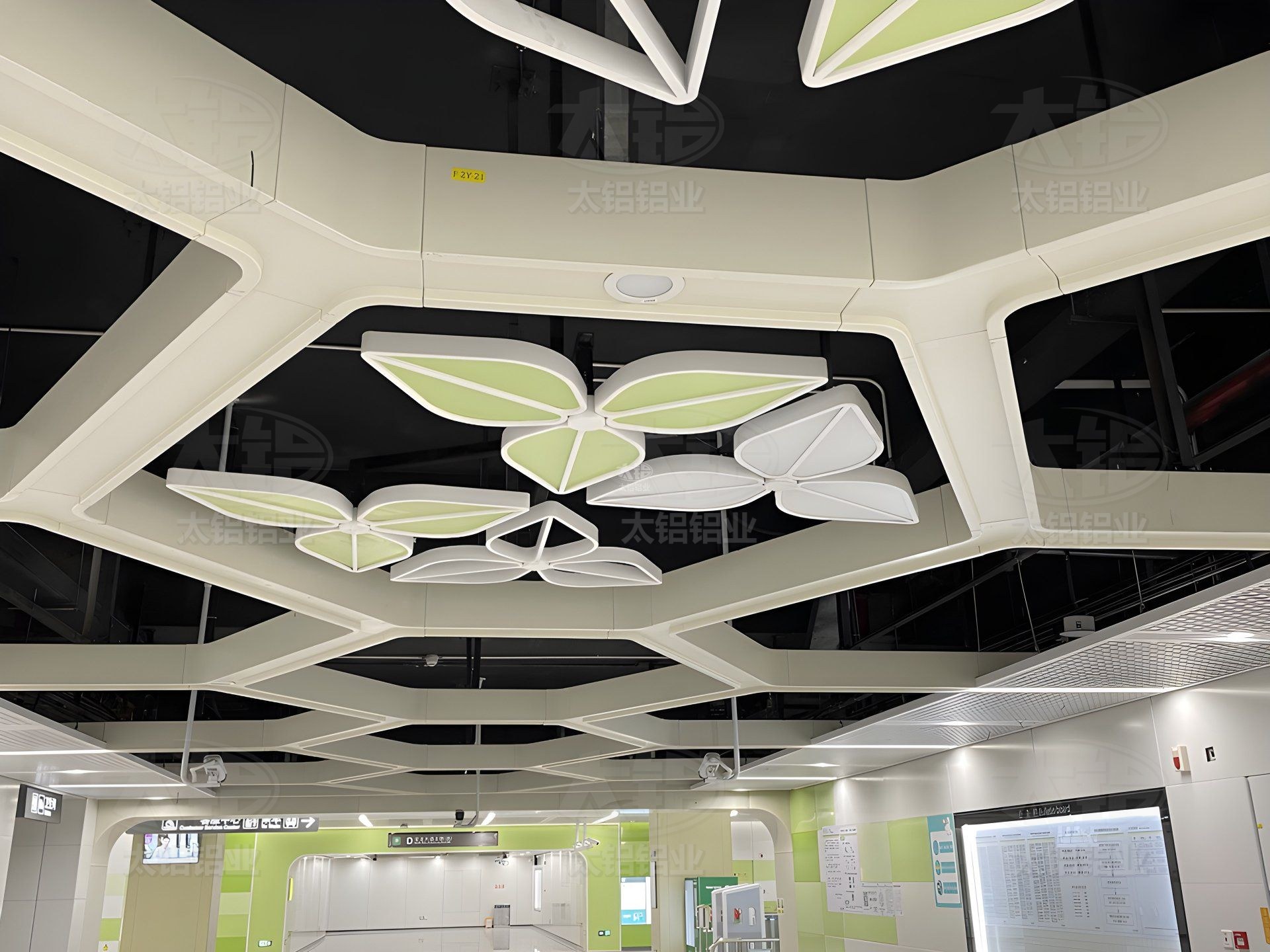
Shaped aluminum ceilings, also known as special-shaped aluminum ceilings or artistic aluminum ceilings, are high-end metal decorative ceiling products centered on personalized customization. Made from aluminum alloy panels as the base material and processed through precision sheet metal craftsmanship into non-flat artistic shapes, they combine decorative expressiveness with practical functionality. They are an upgraded solution replacing traditional gypsum board ceilings and standardized flat aluminum ceilings, widely suitable for various architectural projects that pursue spatial design.
Core Advantage
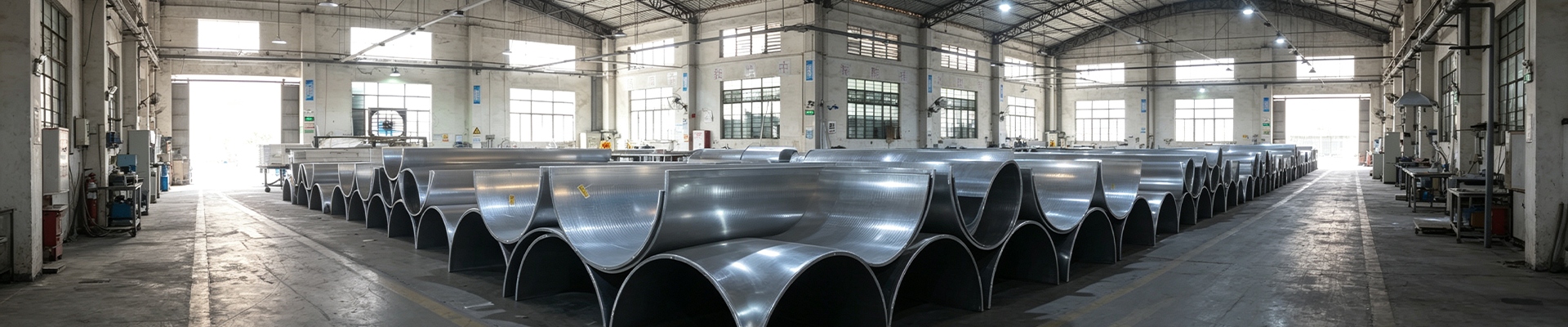
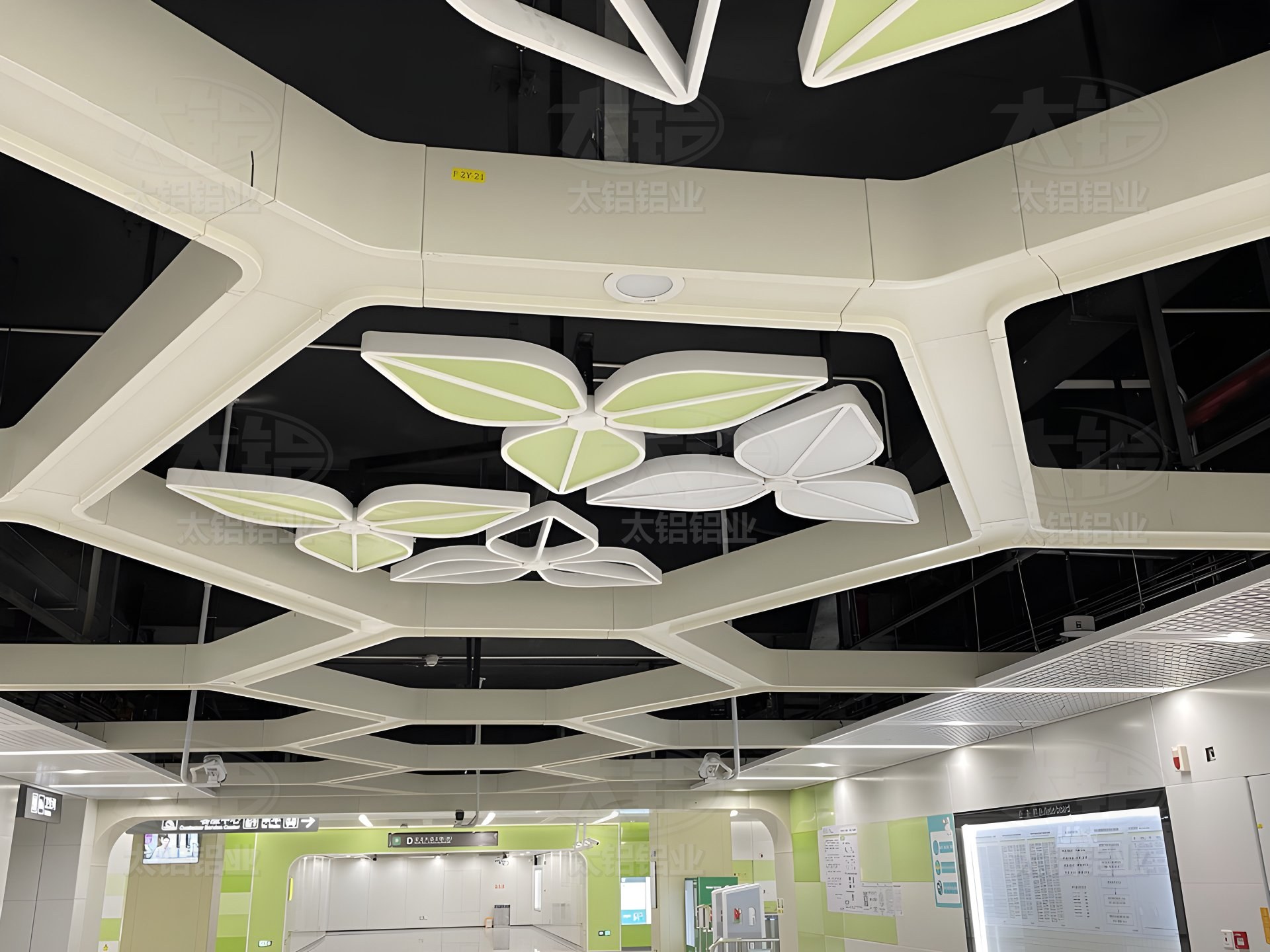
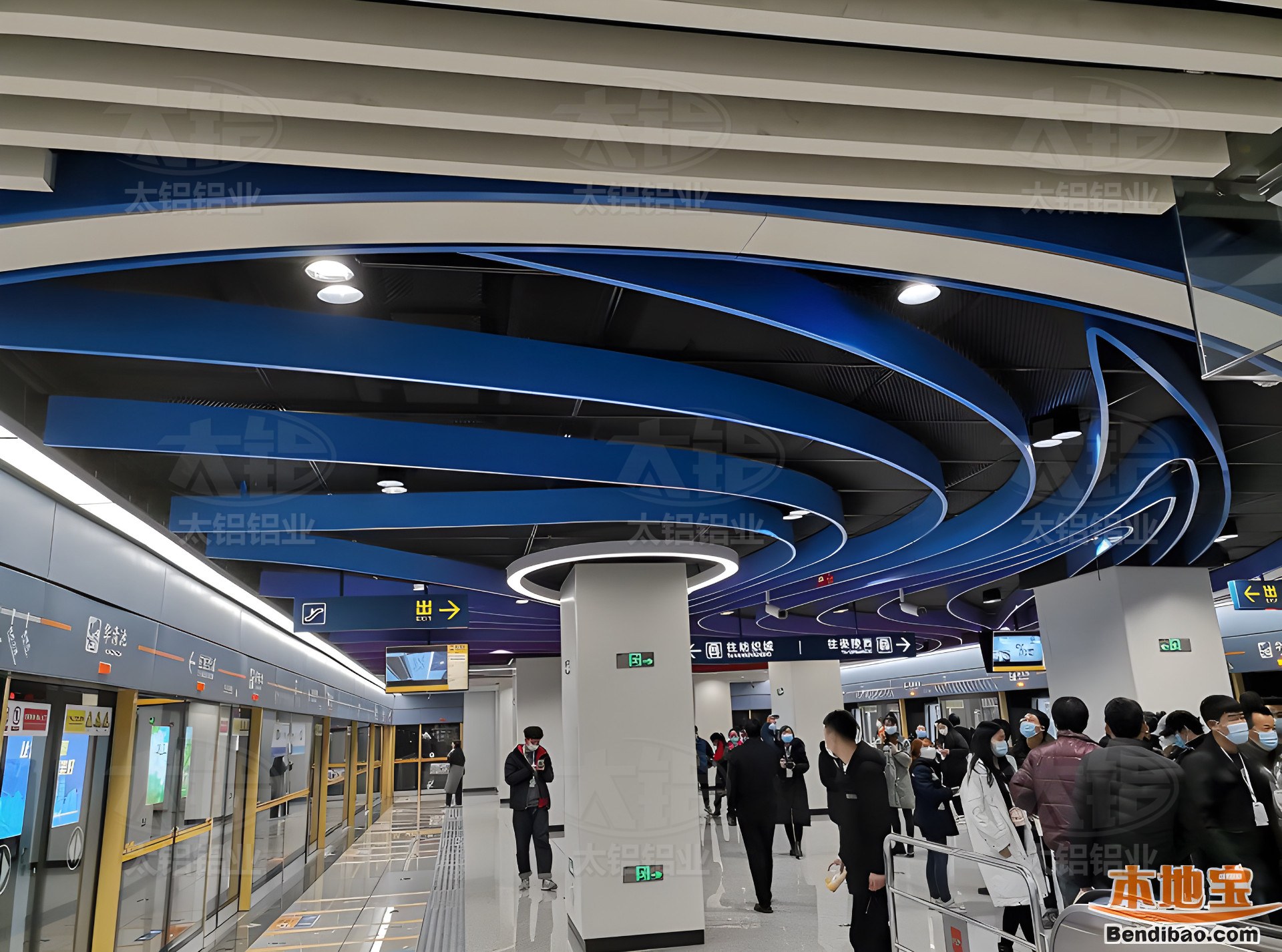
Most products use 3003H24 and 5005H24 series rust-resistant aluminum alloys as the base material, with sheet thicknesses covering 1.0~3.0mm, combining high strength with excellent shaping toughness. Relying on multiple precision processes such as CNC bending, arc rolling, laser welding, laser engraving, CNC punching, and stamping, it can achieve rich styling effects such as curved waves, hyperbolic surfaces, hollow carving, geometric shapes, and stepped floating shapes. It can also integrate functional structures like sound-absorbing holes, light troughs, and reserved air outlets, enabling a 1:1 replication of design drawings and fully meeting customized spatial design needs.
Product Classification & Selection Guide
1.In terms of basic performance
The shaped aluminum ceiling inherits the safety and durability advantages of metal building materials. The aluminum alloy base material itself is non-combustible, and the finished product's overall combustion performance can reach Class A non-combustibility, fully meeting the fire safety acceptance standards for public buildings; The dense surface coating isolates moisture and corrosive media, offering excellent moisture-proof, rust-proof, and oil fume resistance, preventing moisture deformation, mold, or cracking, making it suitable for swimming pools, kitchens, basements, and other humid and oily environments. At the same time, when the panels are paired with the rear rib structure, they can stably support embedded lighting fixtures, air conditioning vents, fire sprinklers, and other equipment. Their lightweight and high-strength properties also avoid placing excessive loads on the building structure.
2.For installation and maintenance
The shaped aluminum ceiling uses factory prefabrication and on-site assembly, paired with dedicated keels or custom steel structural frameworks for dry-hanging installation, eliminating the need for on-site cutting and painting. The construction is clean and efficient, with a much shorter construction period than on-site gypsum board shaped ceilings. The product adopts a modular design, allowing reserved maintenance openings or detachable panels. The top pipeline equipment is easy to repair, and if damaged, individual panels can be replaced without damaging the overall ceiling structure; Daily cleaning only requires a soft cloth, making grease and dust easy to manage, and long-term maintenance costs are low.
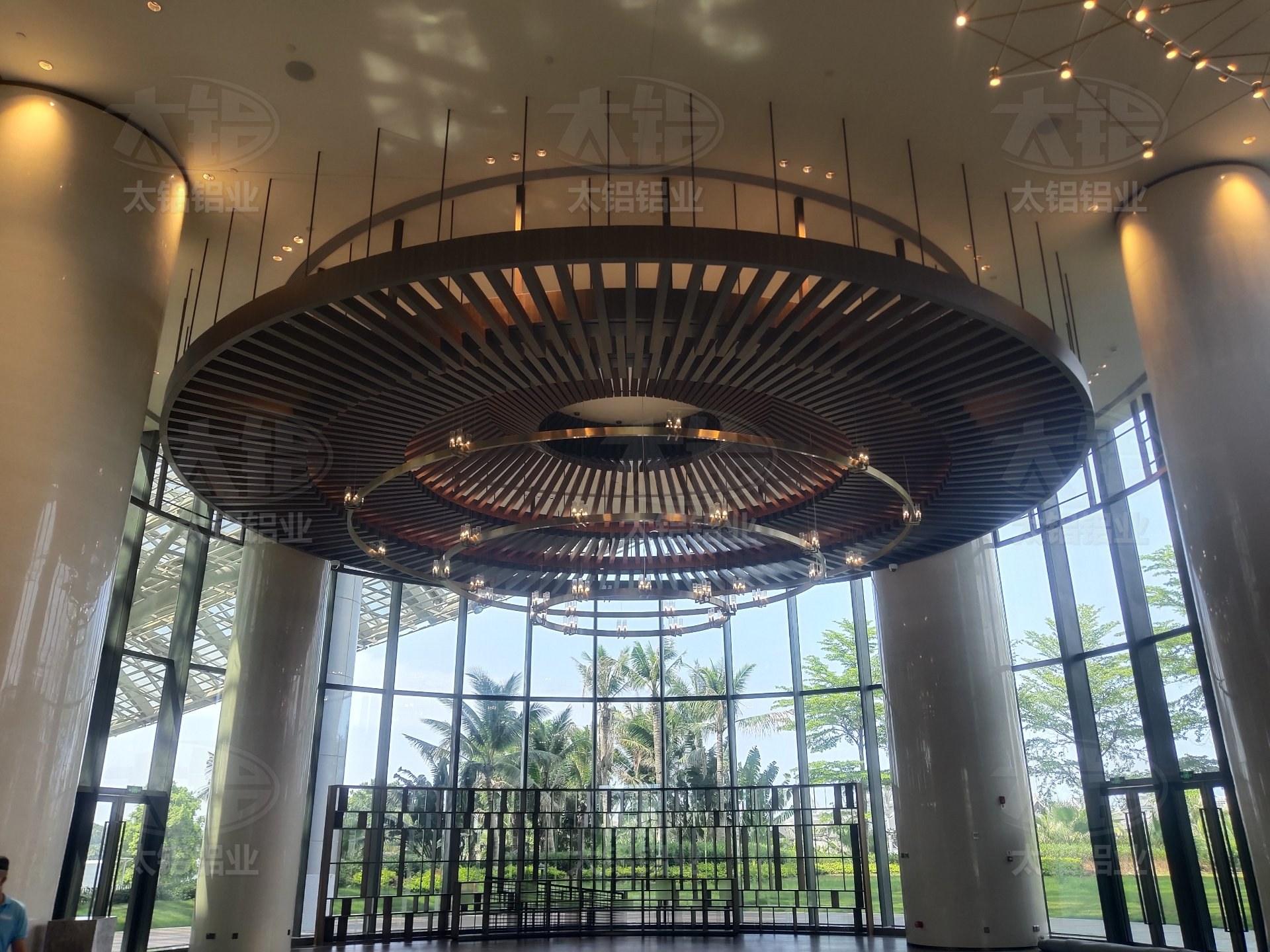
6.Application Scenarios
With its comprehensive advantages of high design freedom, safety and durability, fast construction, and easy maintenance, shaped aluminum ceilings are widely used in commercial spaces such as shopping mall atriums, hotel lobbies, branded stores, and dining and entertainment spaces. Public buildings like subway stations, airports, stadiums, exhibition halls, office buildings, as well as functional venues like swimming pools, hospitals, and schools. They can also be used for partial ceiling designs in home decoration, living rooms, dining rooms, and entryways, making them an optimal ceiling solution that balances spatial aesthetics and practical performance.
FAQS
1. What is a molded aluminum ceiling? What are some common names?
A: Shaped aluminum ceilings, also known as special-shaped aluminum ceilings or artistic aluminum ceilings, are made from aluminum alloy panels as the base material, processed through processes such as bending, welding, arc rolling, laser engraving, and stamping into non-flat artistic ceiling components. These are customized metal ceiling products that combine decorative and functional functions, perfectly matching personalized architectural interior design needs.
2. What are the common types of shapes for aluminum ceilings?
A:Mainstream styles can be divided into several main categories:
- Curved surfaces: curved aluminum ceilings, wavy aluminum ceilings, spherical/double-curved aluminum ceilings.
- Artistic carved designs: hollowed-out carved aluminum ceilings, perforated aluminum ceilings (with sound absorption functions).
- Geometric special-shaped designs: triangles, polygons, stepped shapes, staggered floating ceilings.
- Combination functional types: grille design, aluminum square tube combination modeling, integrated beam and column design.
- Texture simulation category: imitating wood grain, imitating stone grain and brushed copper with textured designs
3. What material is generally used for modeled aluminum ceilings? Is it the same as ordinary home aluminum panel panels?
A: Both types of base materials are aluminum alloys, but their positioning and parameters differ significantly. Shaped aluminum ceilings mostly use grades 3003H24 and 5005H24 aluminum alloy, with a thickness usually of 1.0~3.0mm. They offer high strength and toughness, capable of supporting large-span, complex curved surfaces without deformation. Ordinary home aluminum panels are mostly made of 1100 pure aluminum or low-end alloy, with a thickness of only 0.5~0.8mm, suitable only for small flat ceilings and not suitable for complex shapes.
II. Performance Parameters
4. What is the fire resistance rating of shaped aluminum ceilings? Does it meet the fire safety requirements of public buildings?
A: The aluminum alloy base material itself is non-combustible, and the supporting powder and fluorocarbon coatings meet fire safety standards. The finished product's overall combustion performance can reach Class A non-combustibility, fully meeting the fire safety inspection requirements of public buildings such as shopping malls, subways, and stadiums.
5. Are the shaped aluminum ceilings moisture-proof and rust-resistant? Is it suitable for damp areas with heavy oil smoke?
A: The aluminum alloy base is naturally rust-resistant, combined with a dense surface coating, offering excellent moisture resistance, corrosion resistance, and oil smoke resistance. Unlike gypsum board, it does not deform, mold, or crack due to moisture, making it ideal for damp or oily spaces such as swimming pools, restrooms, kitchens, and basements.
6. Can the shaped aluminum ceiling support lighting fixtures, air vents, and sprinkler equipment?
A: Standard sheets with a thickness of over 1.5mm, paired with rear rib designs, can stably support embedded lighting, air conditioning vents, fire sprinklers, and other lightweight equipment; If heavy equipment needs to be installed, reinforcement points and load-bearing frameworks can be reserved in advance during the design stage to meet customized load-bearing needs.
7. What are the core differences between molded aluminum ceilings and ordinary flat aluminum ceilings? How to choose?
- The core differences between the two focus on four dimensions: decorative effect, panel performance, processing cost, and applicable scenarios. In terms of decorative effects, the aluminum ceiling is highly personalized, capable of any artistic curved surface, carved patterns, or irregular structures; The standard flat aluminum ceiling is a standardized flat panel with a single style. In terms of panel performance, the thickness of the shaped aluminum ceiling is mostly between 1.0~3.0mm, offering higher strength and the ability to support large-span, complex shapes; Ordinary flat aluminum ceilings are only 0.5~1.2mm thick, thin and light but have limited load-bearing and molding capabilities. In terms of processing and cost, molded aluminum ceilings are custom-produced, with complex processes and higher unit prices; Standard flat aluminum ceilings are mass-produced with simple processes and are economical and affordable.
- Selection suggestion: Pursue a sense of spatial design and create visual highlights by choosing shaped aluminum ceilings; With limited budget, a standard flat aluminum ceiling is chosen for basic functions.
8. What are the advantages of molded aluminum ceilings versus drywall molded ceilings?
- Stronger durability: Waterproof, moisture-proof, deformation-resistant, mold-resistant, and crack-proof, with a service life 3~5 times longer than gypsum board.
- Higher safety: Class A non-combustible, lighter weight, and lower load pressure on building structures.
- Faster construction efficiency: factory-prefabricated products, direct on-site installation, with construction time shortened by over 50% compared to gypsum board molding, and no on-site paint dust pollution.
- Better maintainability: modular and detachable, convenient pipeline maintenance, and can be replaced individually when damaged, without the need for overall damage.
- Superior environmental performance: recyclable and reusable, no formaldehyde emissions, ready to use immediately.
9. How to choose the appropriate thickness for different scenarios?
- Small area, small design (such as entryways, small private rooms): choose 1.0~1.5mm.
- For standard indoor spaces and medium-span curved shapes: choose 1.5~2.0mm.
- Large-span, large-curved, high-space ceilings: choose 2.0~3.0mm, with matching ribs.
- Outdoor canopies and semi-open areas: choose sizes above 2.5mm, paired with fluorocarbon coating.
10. Can the shaped aluminum ceiling be fully customized according to the design drawings? Which processes are supported?
A: Supports fully customized production, capable of 1:1 restoration based on CAD/3D design drawings. Core processes include CNC bending, arc bending, laser welding, laser engraving and hollowing, CNC punching, and stamping forming. These can achieve any effect such as hyperbolic surfaces, irregular shapes, and complex carvings, and can also be customized with integrated sound-absorbing holes and lamp trough structures.
11. What are the surface treatment methods? Can you make imitations of wood grain or stone grain?
A: A rich surface treatment system can be adapted to different needs. Powder coating and polyester paint spraying are commonly used indoors, with a wide range of color options; The texture effect can be used for heat transfer printing to imitate wood grain, stone grain, leather, as well as anodizing, brushing, and mirror finishes; Outdoor or humid areas are recommended for fluorocarbon spraying, which offers stronger weather and corrosion resistance. Color, gloss, and texture can all be customized according to color swatches or samples.
12. What is the typical production cycle for customization?
A: Simple shapes and small batch orders usually take 7~10 days; Complex curved, carved, large-area projects: 15~30 days; For extra-large hyperboloid and special mold opening products, the cycle must be calculated separately, usually 30~45 days. The specific construction period should be determined based on the project volume, molding complexity, and factory production scheduling.
13. How to install shaped aluminum ceilings? Is it the same as installing regular aluminum panel panels?
A: There is significant difference in installation techniques: ordinary aluminum ceiling panels use snap-fit for simple installation, while shaped aluminum ceilings require customized installation plans based on the structural design. The conventional shape pairs with dedicated keel + hanging rod installation, with a logic similar to aluminum single panel dry-hanging; Complex irregular shapes and large-span shapes require a customized steel structural framework, fixed by welding and bolting. All components are factory-prefabricated; on-site assembly and fixing only need to be done, with no need for cutting or painting on site, ensuring clean and efficient construction.
14. Is it easy to inspect after installation? How to maintain the top pipeline?
A: Very convenient. During the design phase, a dedicated maintenance port can be reserved, and some panels can be designed as detachable movable panels. During maintenance, the corresponding panels can be directly removed. After completion, the panel will be reset without leaving traces, and unlike gypsum board ceilings, the overall shape will not be damaged during maintenance.
15. Can the shaping seams be evenly and aesthetically pleasing? Is the error large?
A: Legitimate manufacturers use CNC equipment for production, with sheet processing accuracy controlled within ±0.1mm; Before installation, on-site dimensional measurements are conducted to refine the drawings. Combined with adjustable keel calibration, conventional splicing gaps can be controlled within 0.5~1mm, ensuring uniform gaps and smooth lines, resulting in a refined overall effect.
16. Where are molded aluminum ceilings mainly used? Is it suitable for home decoration?
A: The mainstream applications are mainly in commercial spaces such as mall atriums, hotel lobbies, restaurants, KTVs, and brand boutiques; public buildings like subway stations, airports, stadiums, exhibition halls, office building lobbies; as well as functional spaces like swimming pools, hospital corridors, schools, and clubs.
It can also be used for home decoration, often in the living room, entryway, dining room, and other parts of the ceiling design to create space highlights; Small-area customization has relatively higher unit prices, making it suitable for home decoration projects that require a sense of design quality.
17. Can shaped aluminum ceilings be used in semi-open outdoor areas?
A: Yes, you need to choose products with a thickness of 2.5mm or more combined with a fluorocarbon coating. They are UV-resistant, weather-resistant, and corrosion-resistant. They can be used in areas such as storefront canopies, corridors, and semi-outdoor balconies, and are resistant to fading and rusting after long-term outdoor use.
18. How much does a shaped aluminum ceiling cost per square meter? Why is it much more expensive than tablets?
- The price range is wide, mainly depending on the complexity of the shape, sheet thickness, surface treatment, and engineering volume. Simple curved and conventionally shaped products are 30%~100% more expensive than flat aluminum ceilings of the same thickness; Products with engraved designs, hyperboloids, or irregular structures may have unit prices 2~5 times that of flat plates.
- The premium mainly comes from three aspects: first, high loss from custom processing, with material utilization lower than standard flat plates; Second, the process is complex and labor costs are high, requiring multiple manual steps and CNC operations in coordination with intricate molding; Third, some shapes require mold making, and the cost of customizing auxiliary keel materials is even higher. The final quotation requires the submission of design drawings for calculation.
19. Besides the panels themselves, what other additional costs are there?
A: Routine projects also include detailed design fees, keel and installation auxiliary materials, transportation fees, and installation construction fees; Molds with special mold opening incur a one-time mold fee, while large-area projects usually help dilute mold costs.
20. How do you clean daily? Is oil stains and dust easy to clean?
A: Maintenance is very simple. For ordinary dust, gently sweep it with a feather duster or a soft cloth; For grease and stubborn stains, use a neutral detergent with a soft cloth, then wipe dry with clean water. The coating surface is dense and does not attract dirt, making cleaning much harder than gypsum board or wooden ceilings.
21. Can accidental dents, deformations, or peeling paint be repaired?
A: Minor dents or scratches can be locally repaired with professional tools and repainting; If there is severe deformation or coating damage, it is recommended to replace individual panels directly. Since it is modular customization, replacement is convenient, there is no need to dismantle the entire ceiling, and maintenance costs are low.
22. Will it fade or rust after prolonged use?
A: Under normal indoor conditions, powder-coated models can maintain color-proof and rust-free products for 10~20 years; Choose fluorocarbon-coated models for wet or outdoor areas for stronger weather resistance. As long as it is not exposed to strong acids and bases for extended periods, the aluminum alloy substrate will not rust, and the coating will not have large-scale powder or peeling.