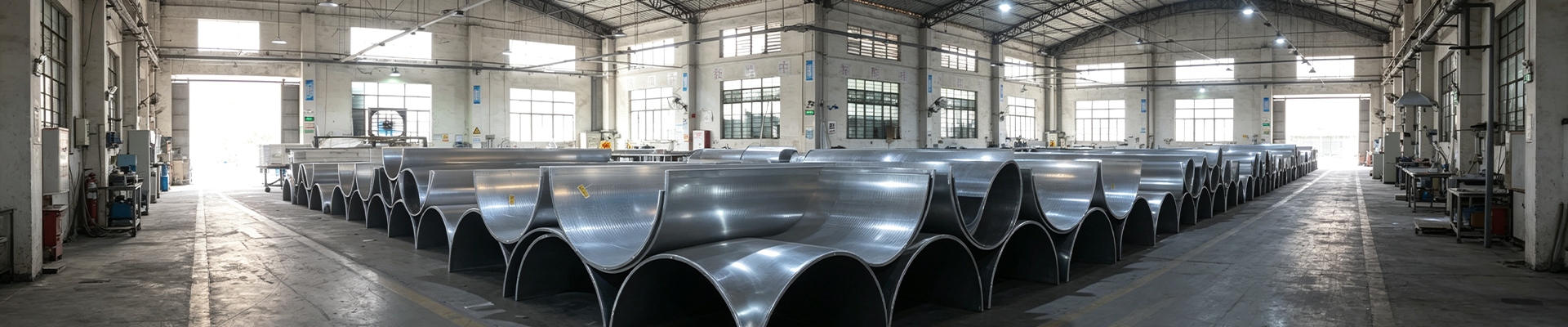
Aluminum-plastic composite panels (Aluminum Plastic Composite Panel, abbreviated as ACPV/ACP) are three-layer decorative panels formed by continuously laminating two outer layers of aluminum alloy panels—each 0.2 mm to 0.5 mm thick—and a 2 mm to 5 mm thick polyethylene (PE) plastic core using a polymer adhesive film under high temperature and pressure. The product first emerged in Europe in the 1960s and rapidly gained popularity in China after its introduction in the 1990s. Thanks to its excellent overall performance and high cost-effectiveness, it has become one of the mainstream materials in the architectural decoration sector.
Aluminum-plastic composite panels comply with two core national standards: GB/T 17748-2016 “Aluminum-Plastic Composite Panels for Building Curtain Walls,” which applies to exterior building curtain walls and imposes stricter requirements on weather resistance, peel strength, and fire resistance; GB/T 22412-2016 “Aluminum-Plastic Composite Panels for General Decorative Use,” which applies to indoor and outdoor non-curtain wall decorative applications. The product surface can undergo various treatments, including fluorocarbon coating, polyester coating, acrylic coating, film lamination, wood grain transfer, and stone grain transfer. With a wide range of color options and diverse decorative effects, it can meet the design needs of different styles.
Aluminum Composite Panel (ACP) Classification
|
Classification Criteria
|
Category
|
Description
|
|
By Application
|
Exterior Wall Cladding (GB/T 17748)
|
Designed for exterior wall applications, featuring a fluorocarbon coating and high weather resistance.
|
| |
Interior Decorative Panels (GB/T 22412)
|
Used for non-load-bearing interior decoration, with polyester or acrylic coatings.
|
|
By Fire Performance
|
Standard Grade (G)
|
Polyethylene (PE) core material, Class B flammability.
|
| |
Fire-Retardant Grade (FR)
|
Flame-retardant polyethylene core, Class B1 fire rating.
|
| |
High Fire-Retardant Grade (HFR)
|
Highly flame-retardant core material, capable of achieving Class A2 fire rating.
|
|
By Decorative Coating
|
Fluorocarbon Resin Coating (FC)
|
Preferred for exterior applications, with a service life of 15–20 years.
|
| |
Polyester Resin Coating (PE)
|
Commonly used indoors, offering excellent cost-effectiveness.
|
| |
Acrylic Resin Coating (AC)
|
Economical option with vibrant colors.
|
| |
Film-Laminated Type (F)
|
PVC/PVDF decorative films with a wide variety of textures.
|
|
By Surface Finish
|
Solid Colors, Metallic Colors, Pearlescent, Wood Grain, Stone Grain, Brushed, Mirror Finish
|
Customized according to customer requirements.
|
Installation Diagram
The aluminum-plastic panel installation system uses a dry-hanging structure and consists of embedded anchors, a galvanized angle steel framework, an aluminum alloy sub-frame, aluminum-plastic panel units, and sealing strips. The panels are CNC-bent along all four edges, and special corner brackets are installed on the back. During installation, the corner brackets are secured to the subframe of the steel framework. A 10–15 mm expansion joint is left between panels, which is filled with foam strips and weather-resistant sealant. For interior decoration, an adhesive installation method may also be used, where the aluminum-plastic composite panels are directly bonded to the substrate using structural adhesive. For advertising signs and column cladding applications, rivets or folded-edge clips may be used for fastening.
(Illustration: 3D schematic diagram of dry-hung joint + horizontal cross-section)
Key Features
Lightweight and High-Strength, Reducing Structural Loads
Aluminum-plastic panels have a surface density of only 3–5 kg/m², making them significantly lighter than aluminum sheets or stone of the same thickness, which substantially reduces the load-bearing requirements of building curtain walls and decorative systems. The composite structure—formed by bonding two layers of aluminum sheets to a plastic core—creates a “sandwich” configuration that offers excellent flexural stiffness and impact resistance, meeting the demands of large-panel cladding applications.
Wide Range of Colors and Diverse Decorative Effects
The surface of aluminum-plastic composite panels can achieve dozens of effects, including solid colors, metallic finishes, pearlescent finishes, wood grain, stone grain, brushed finishes, and mirror finishes, with hundreds of color options available to perfectly complement various design styles; laminated and transfer-printed products feature realistic textures that can replace natural wood and stone while offering the fire-resistant and moisture-resistant advantages of metal sheets.
High Flatness and Easy Fabrication
The continuous lamination process ensures high surface flatness, making the panels resistant to warping and deformation. Aluminum-plastic composite panels are easy to cut, bend, groove, and shape into curved forms; they can be fabricated into curved or custom-shaped panels, offering great installation flexibility and convenient on-site cutting, which significantly shortens the construction timeline.
Weather-Resistant, Corrosion-Resistant, and Low-Maintenance
Fluorocarbon-coated aluminum-plastic composite panels offer excellent resistance to UV rays, acid rain, and salt spray, with a color retention lifespan of 15–20 years when used outdoors. Their dense, smooth surface resists staining and self-cleans with rainwater, resulting in extremely low daily maintenance costs.
High Cost-Effectiveness and Wide Applications
Compared to aluminum single panels, aluminum honeycomb panels, and natural stone, aluminum-plastic composite panels are more affordable and offer significant overall cost advantages, making them the material of choice for economical architectural decoration. The products are mature and stable, backed by a well-established supply chain that enables rapid delivery, making them suitable for projects of all budget levels.
Sound and Heat Insulation, Vibration Damping, and Noise Reduction
The plastic core provides sound and heat insulation as well as vibration damping, effectively reducing external noise and thermal conduction while enhancing indoor comfort. When used in conjunction with insulation batting, the performance is even better.
Applications
Aluminum-plastic composite panels have a wide range of applications, with typical areas including:
Building Curtain Walls: High-rise office buildings, commercial complexes, exterior walls of residential buildings, and renovation of existing buildings
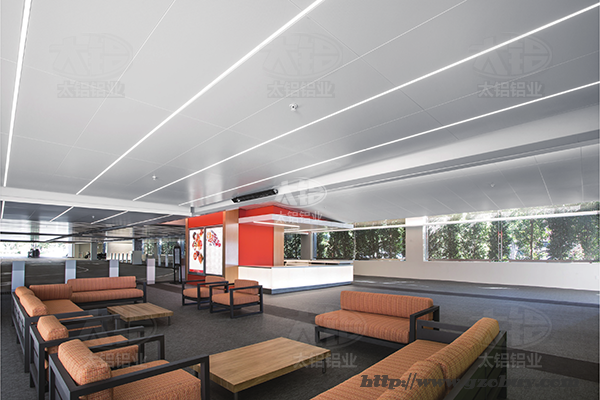
Interior Decoration: Walls and ceilings in hotel lobbies, shopping malls, office buildings, hospitals, and schools
Column and Beam Cladding: Columns in shopping malls, columns in subway station concourses, and bridge column cladding
Advertising Signs: Storefront signs, brand image walls, outdoor billboards, lightbox panels
Transportation: Bus exteriors, subway car interiors, ship interiors
Other: Exhibition booths, furniture panels, cleanroom partitions
(Illustration: Actual photos of engineering applications)
Frequently Asked Questions (FAQ)
Q1: What is the difference between aluminum-plastic composite panels and aluminum single panels?
A: Aluminum-plastic composite panels feature a three-layer composite structure of “aluminum sheet + plastic core + aluminum sheet.” They are lightweight, cost-effective, and offer good flatness, but have limited fire resistance (Class B–A2). They are suitable for mid-to-low-end curtain walls and interior decoration. Aluminum single panels are single-layer solid aluminum sheets with Class A fire resistance, strong formability, and a longer service life; however, they are more expensive and prone to warping in large sizes. Choose solid aluminum panels for high-end curtain walls and complex designs; choose aluminum-plastic composite panels for budget-friendly projects and large-area flat surfaces.
Q2: How long will aluminum-plastic composite panels last outdoors?
A: Fluorocarbon-coated (PVDF) aluminum-plastic composite panels can last 15–20 years under normal outdoor conditions; polyester-coated panels generally begin to fade after 5–8 years outdoors and are recommended for indoor use. Actual lifespan is closely related to the environment (UV intensity, air pollution, coastal salt fog) and installation quality.
Q3: Can aluminum-plastic composite panels achieve a Class A fire rating?
A: Standard aluminum-plastic composite panels contain a polyethylene plastic core and have a Class B fire rating; flame-retardant (FR) types can achieve a Class B1 rating; high-flame-retardant (HFR) types can reach a Class A2 rating through a special core formulation, but cannot achieve Class A1 (completely non-combustible). For applications requiring Class A non-combustibility, choose all-metal-core composite panels such as aluminum honeycomb panels or aluminum corrugated panels, or aluminum single-skin panels.
Q4: How do I choose between 4mm and 3mm aluminum-plastic composite panels?
A: 4mm aluminum-plastic composite panels offer better rigidity and higher flatness, making them the standard thickness for curtain walls and outdoor decoration; 3mm panels are lighter, thinner, and more cost-effective, making them suitable for interior decoration, advertising signs, and column cladding—applications where rigidity requirements are not as high. Curtain wall projects must use panels with a thickness of 4mm or greater.
Q5: Can aluminum-plastic composite panels be made into curved shapes?
A: Yes. Aluminum-plastic composite panels have good flexibility; small-radius curves can be achieved through slotting and bending, while large-radius curved panels can be produced using a roll-forming process. The minimum bending radius is approximately 10–15 times the panel thickness, making them widely used for column cladding and curved curtain walls.
Q6: How wide should the installation gaps be for aluminum-plastic composite panels?
A: For dry-hung installations, a 10–15 mm expansion joint is generally left, with the specific width determined by the panel dimensions and environmental temperature differences. The gap should be filled with foam strips and then sealed with weatherproof sealant to ensure waterproofing and accommodate thermal expansion and contraction. For tight-joint installations, a 2–5 mm gap or seamless joints may be used, but this is only suitable for indoor applications.
Q7: How do you repair scratches on the surface of aluminum-plastic composite panels?
A: Minor scratches can be repaired with a matching-color touch-up pen or spray paint; for large scratches or coating peeling, it is recommended to replace the entire panel to avoid repair marks affecting the appearance. For daily cleaning, wipe with a neutral detergent and a soft cloth; do not use strong acids, strong alkalis, or stiff brushes.
Q8: How can you tell if an aluminum-plastic composite panel is of good quality?
A: First, check whether the surface coating is uniform and free of color variations; second, test the peel strength—a high-quality panel should not separate easily from its core material; third, verify that the thickness meets standards (both face panel thickness and total thickness); fourth, examine the core material’s color—a pure white PE core is superior to a grayish-black core made from recycled materials; fifth, request test reports and a warranty certificate, and ensure the product comes from a reputable manufacturer.