
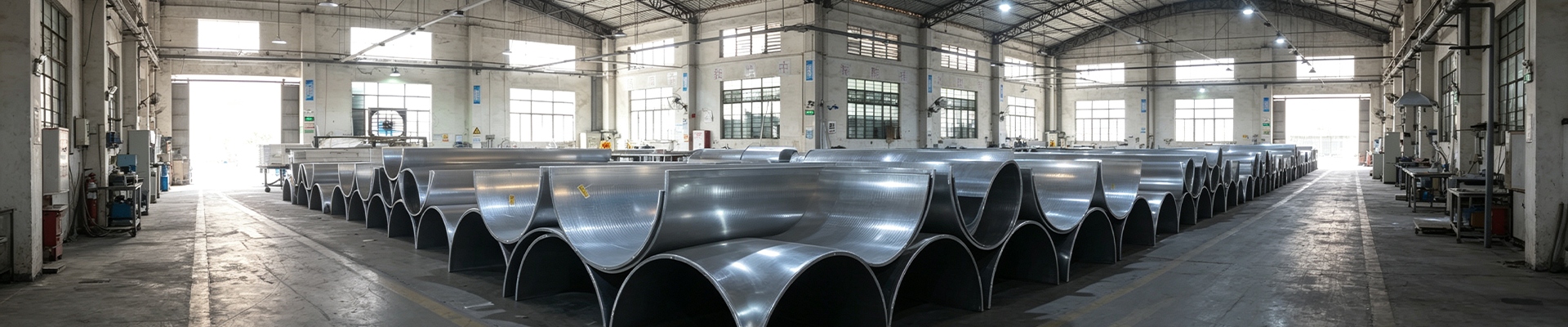
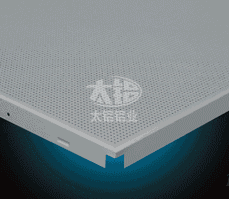
After more than a decade of development, aluminum ceiling panel materials have kept evolving with continuous technological upgrades. The 1st‑generation ceiling materials were gypsum boards and mineral wool boards; the 2nd generation was PVC panels; the 3rd generation is metal ceilings. Among metal ceiling products, aluminum gussets have emerged rapidly and gained popularity. Aluminum gussets on the market are categorized into three grades:
- Aluminum‑magnesium alloy (containing a certain amount of manganese) Its greatest advantage is excellent oxidation resistance. The addition of proper manganese improves strength and rigidity, making it an ideal ceiling material.
- Aluminum‑manganese alloy It has slightly higher strength and stiffness than aluminum‑magnesium alloy, yet its oxidation resistance is relatively weaker.
- Ordinary aluminum alloy With low manganese and magnesium content, it shows noticeably lower strength and rigidity than the above two alloys, along with average oxidation resistance.
The key to selecting aluminum gussets lies not in thickness, but in raw material quality. A 0.6 mm thickness is sufficient for residential use. Unlike plastic ceiling panels, aluminum gussets have no span‑related deformation issues. Priority should be given to the panel’s elasticity and toughness, followed by surface finishing quality.
Installation Instructions
- Install aluminum perimeter trims at the same horizontal level.
- Mount suspender rods and light steel keels at proper intervals. The spacing between suspender rods shall be ≤1.2 m, and light steel keels shall be spaced 1.2 m apart.
- Connect hangers pre‑assembled on triangle cross keels together with the triangle cross keels perpendicularly to light steel keels according to panel spacing, then adjust to level.
- Press two parallel edges of square panels into the gaps of triangle cross keels. First fix both ends of the transverse direction to form a right angle, then snap panels row by row along a straight reference line. Adjust after each row is fitted to ensure flat panel surfaces and vertical seams. (Note: The folded edge with small positioning pits on the panel shall be inserted into the triangle keel gap.)
- Wear gloves during installation. If stains are left on panels accidentally, clean them with clean water. Do not peel off the protective film while installing.
Features
- Superb surface coating performance High‑quality aluminum composite panels use premium coatings applied by imported fully‑automatic high‑speed coating lines. Panels feature flat surfaces with consistent color and strong coating adhesion. They resist erosion from acid, alkali and salt spray, retaining color stability without coating peeling for long periods. Fluorocarbon‑coated panels are ideal decorative materials for outdoor applications, boasting a service life of over 20 years and simple maintenance — just rinse with water for a fresh‑looking finish.
- High composite bonding strength Premium aluminum composite panels are produced by hot‑press lamination of high‑polymer plastics and macromolecular materials. The adhesive layer normally remains intact after a 2‑hour boiling water test.
- Excellent temperature tolerance Aluminum composite panels can withstand wide temperature fluctuations without degradation of their key properties.
- Lightweight with high strength A single panel weighs roughly 8.5 kg on average. Under identical stiffness requirements, it is much lighter than alternative materials.
- Sound insulation, thermal insulation and vibration resistance Combining the merits of both metal and plastic, its vibration damping coefficient is six times that of solid aluminum sheets. It delivers superior airborne sound insulation and low thermal conductivity, making it an ideal building material for sound absorption, heat insulation and shock resistance.
- Safe, non‑toxic and fire‑retardant The core is non‑toxic polyethylene, and the outer facings are non‑combustible aluminum sheets. Its surface combustion performance meets fire resistance requirements specified by building codes.
- Wide range of elegant color options Aluminum composite panels come in abundant colors that can be matched and combined for harmonious, sophisticated visual effects.
- Excellent machinability Aluminum composite panels can be cut, sawn, milled, punched, pressed, folded and bent with standard woodworking and metalworking tools to precisely realize custom design shapes.
- Flat panels with sharp, crisp edges The ceiling system presents a tidy, generous, elegant and spacious visual effect. Aluminum gussets are flame‑retardant, corrosion‑resistant and moisture‑proof, with easy assembly and disassembly. Each panel can be removed individually for convenient construction and maintenance. Magnetic suction cups or dedicated panel removers enable fast panel removal for replacement or cleaning. Acoustic paper or black flame‑retardant fabric can be attached to the back of perforated panels to achieve specified sound‑absorption performance.