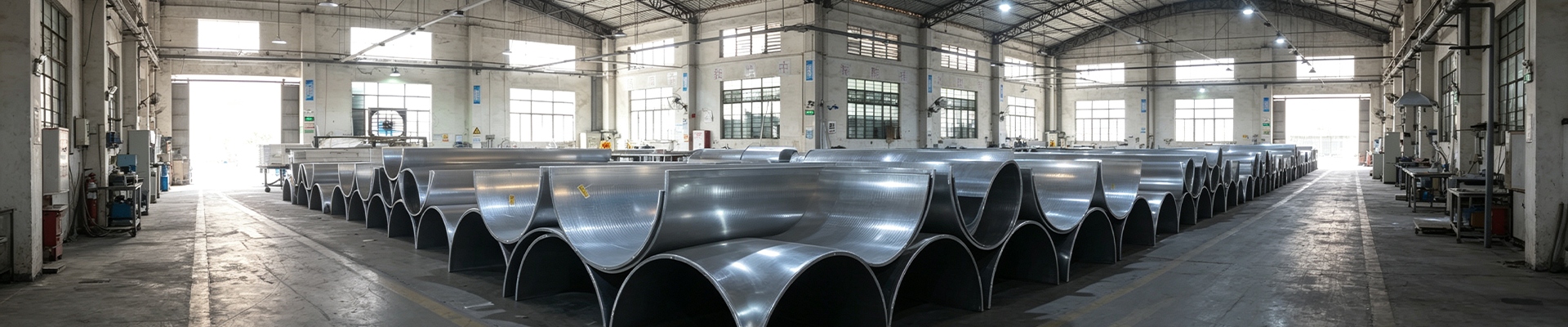
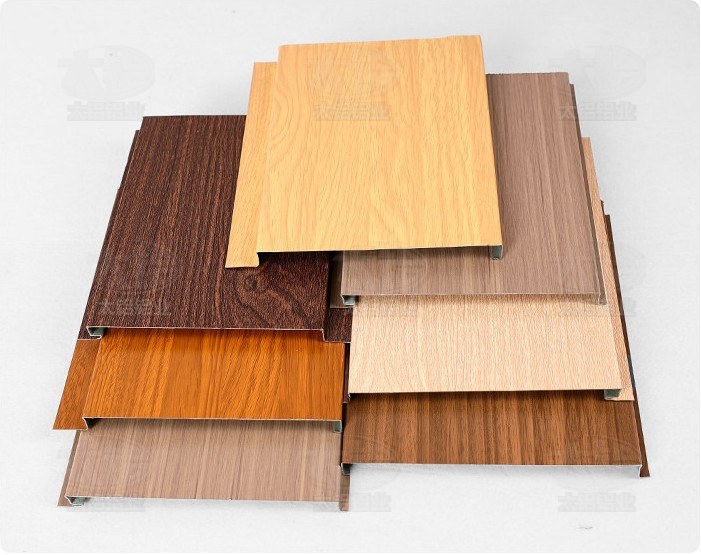
Core Processes of Imitation Wood‑Grain Aluminum Gusset Panels
There are two mainstream wood‑grain finishing processes on the market, with distinct performance and application suitability:
Heat‑transfer Wood Grain A widely adopted and proven process. The aluminum panel is first coated with electrostatic primer. At temperatures above 180°C, wood‑grain patterns are permeated and cured into the coating. It features strong integration between grain layer and substrate, superior adhesion, high resistance to peeling and fading, delivering outstanding durability for indoor use.
Laminated Wood Grain PVC or PET wood‑grain film is bonded onto the aluminum surface. It offers a tactile feel close to real wood veneer and excellent oil resistance, ideal for greasy areas such as kitchens. However, delamination may occur under prolonged high‑temperature and high‑humidity conditions.
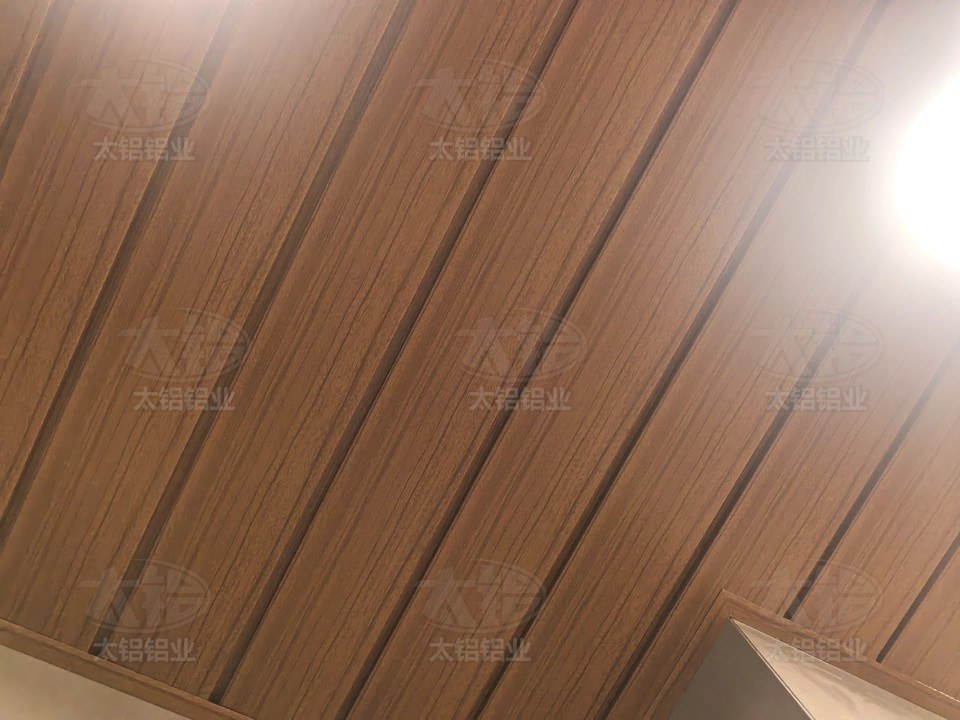
Core Advantages of Imitation Wood‑Grain Aluminum Gusset Panels
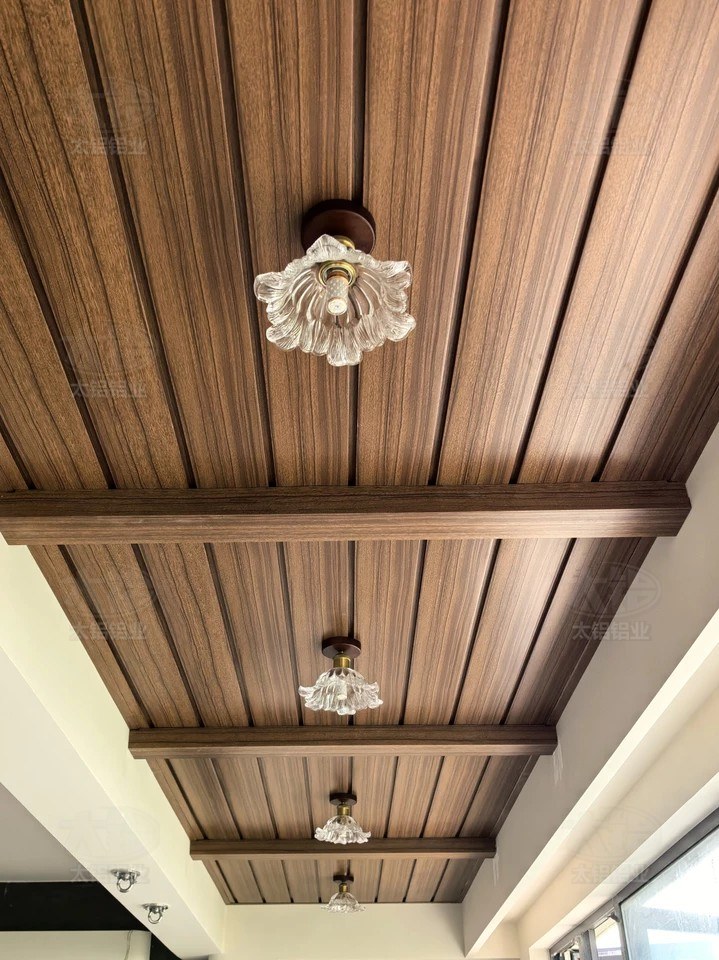
High Visual Fidelity It can accurately replicate dozens of natural wood grain patterns including walnut, oak and ash wood, presenting fine and lifelike textures. Premium finishes even reproduce the tactile feel of wood pores, combining the structural strength of metal with the warm visual effect of timber. Free of color difference and knots, it delivers consistent decorative results over large installation areas.
Stable Physical Performance The aluminum substrate is Class A non‑combustible, with far better fire resistance than wooden boards. It is waterproof, moisture‑proof, mildew‑proof and insect‑resistant, and will not crack or deform with temperature and humidity fluctuations, making it suitable for harsh environments with humidity, oil fume or high temperature.
Lightweight & High Strength Its self‑weight is only 1/3 to 1/5 of solid wood, while maintaining good rigidity and deformation resistance. It effectively reduces building load and resists sagging over long spans, well suited for large‑scale commercial projects.
Eco‑Friendly & Low‑Maintenance The substrate is 100% recyclable, requiring no felling of natural timber. Qualified products meet E1 formaldehyde emission standards with no unpleasant odor. The dense surface coating provides great stain resistance; simple wiping is enough for daily cleaning, and painting or waxing maintenance is unnecessary.
Fast & Convenient Installation The standardized snap‑in keel system enables rapid assembly and disassembly, facilitating later maintenance of overhead pipelines. It shortens construction time and cuts labor costs effectively.
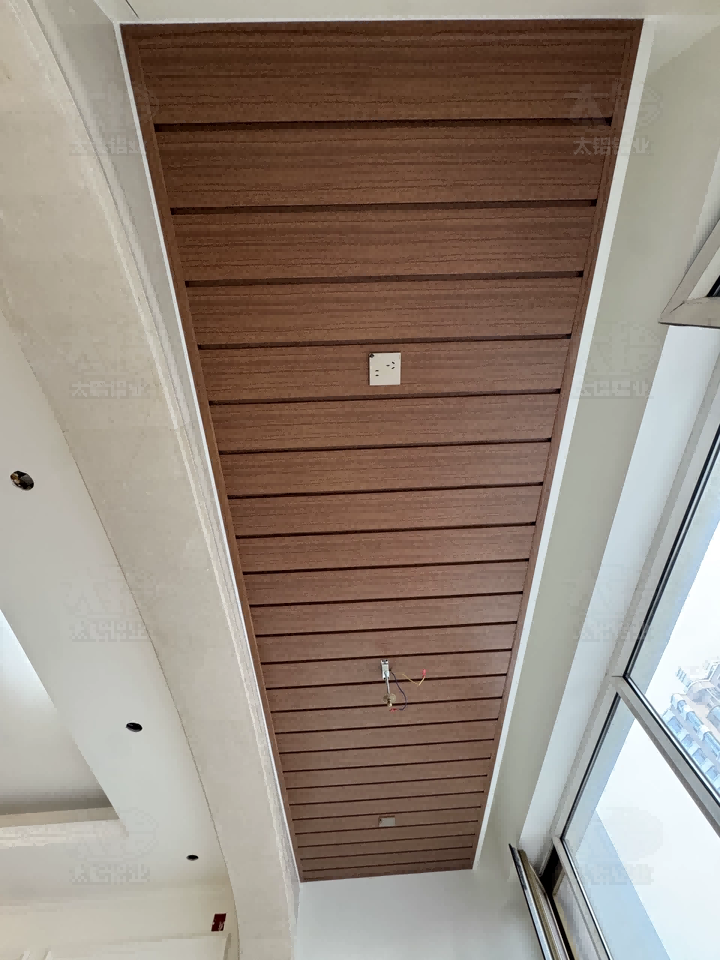
Typical Application Scenarios of Imitation Wood‑Grain Aluminum Gusset Panels
Residential Spaces: Whole‑house ceilings for living rooms and bedrooms; ceiling and feature wall decoration for humid or greasy areas including kitchens, bathrooms, balconies and sunrooms.
Commercial Spaces: Ceilings and partition decorations for offices, shopping malls, hotels, restaurants, exhibition halls and chain stores.
Special Scenarios: Basements, coastal high‑humidity zones, public buildings with mandatory fire‑rating requirements, and outdoor facades (weather‑resistant grade required).
FAQ
Q1. Which is more practical: imitation wood‑grain aluminum gussets or solid wood ceilings?
A1.The core difference lies in performance and long‑term operating cost.
Visually: High‑end wood‑grain aluminum products closely resemble solid wood, with zero color variation or knots, delivering uniform appearance over large installation areas. Natural solid wood features unique grain patterns but comes with inherent color differences and imperfections.
Performance‑wise: Imitation wood‑grain aluminum panels are fireproof, moisture‑proof, insect‑resistant and dimensionally stable, suitable for harsh environments such as kitchens, bathrooms and balconies. Solid wood is prone to cracking and mildew caused by temperature and humidity swings, and has a short service life in damp conditions.
Cost‑wise: Imitation wood‑grain aluminum panels cost less than mid‑to‑high‑grade solid wood and require no follow‑up maintenance, offering superior long‑term value. Solid wood needs regular waxing and touch‑up painting, resulting in high maintenance expenses.
Q2. Will the wood‑grain surface fade or peel off?
A2.It mainly depends on finish grade and service environment. In standard indoor conditions, premium heat‑transfer wood‑grain panels maintain stable color for over 10 years without obvious fading or peeling under normal use.
If indoor‑grade panels are used outdoors under direct sunlight, UV rays will accelerate pigment degradation, which may lead to yellowing and fading within 1–2 years. For outdoor installation, fluorocarbon weather‑resistant grade must be selected to guarantee 10–15 years of weathering performance.
Simple quality check: No obvious scratches after light scraping with a fingernail, and no color transfer after repeated rubbing with alcohol cotton = acceptable coating adhesion.
Q3. Can these panels be installed in humid, greasy spaces like kitchens and bathrooms?
A3.Absolutely. This is one of their key application strengths. The aluminum alloy substrate is non‑absorbent and mildew‑proof. Its dense surface coating resists oil stains and is easy to clean, completely solving the common pain points of wooden ceilings: mildew, deformation and stubborn oil buildup in damp, fume‑filled areas. For kitchens, laminated or high‑gloss heat‑transfer finishes are recommended for better oil resistance. For bathrooms, properly seal edge trims to prevent moisture from seeping into the keel system.
Q4. Can imitation wood‑grain aluminum panels be used directly outdoors?
A4. Standard indoor‑grade panels are not recommended for outdoor use; prolonged sun and rain exposure will cause rapid fading and coating degradation. Outdoor projects require dedicated fluorocarbon weather‑resistant wood‑grain aluminum panels. Featuring fluorocarbon primer + weather‑resistant heat‑transfer technology and passing QUV accelerated UV aging tests, they withstand outdoor UV radiation, rain and temperature fluctuations, ideal for exterior walls, canopies, balcony facades and outdoor pergolas.
Q5. How to select high‑quality imitation wood‑grain aluminum gussets?
A5.Evaluate from four key dimensions:
- Substrate: Prioritize 3003 aluminum‑manganese virgin aluminum, avoid recycled aluminum. Recommended minimum thickness ≥0.8 mm for residential projects, ≥1.0 mm for commercial projects. Verify thickness at multiple points with a vernier caliper.
- Finishing: High‑temperature heat transfer is preferred for better durability over simple lamination. Request coating adhesion test reports; cross‑hatch test passing rate requires flaking area ≤5%.
- Environmental performance: Ask for third‑party test certificates confirming formaldehyde emission meets GB 18580‑2017 E1 standard. Be cautious of marketing claims such as “E0 grade”, which is not a national standard classification.
- Fire resistance: Confirm Class A non‑combustible rating. Official fire test reports are mandatory for installations in public buildings.
Q6. What are installation precautions? Are the panels easy to deform?
A6.Panels stay flat with proper installation. Three key notes:
- Keel spacing: Keep ≤400 mm for residential jobs, ≤600 mm for commercial projects. Excessively wide spacing will cause panel sagging.
- Fastening torque: Do not over‑tighten self‑tapping screws; concentrated stress may crack panels. Leave minor expansion gaps for snap‑in installation to accommodate thermal expansion and contraction.
- Edge finishing: Use matching trims. Fill joints with neutral‑cure silicone sealant to block dust and moisture ingress. Wavy surface after installation is usually caused by overly wide keel spacing or insufficient panel thickness.
Q7. Do imitation wood‑grain aluminum panels contain formaldehyde? How eco‑friendly are they?
A7. Compliant products have excellent environmental credentials. The aluminum alloy substrate itself contains zero formaldehyde. Pollutants may only come from surface coatings or transfer films. Reputable products comply with GB 18580‑2017 E1 (formaldehyde emission ≤0.124 mg/m³), safe for indoor installation.
Snap‑in assembly eliminates large amounts of adhesive, further cutting VOC release. For sensitive spaces such as nurseries and hospitals, select higher‑eco‑grade panels and keep the area well‑ventilated for 72 hours after installation. Aluminum is 100% recyclable, qualifying this as a green building material.
Q8. How to clean and maintain the panels in daily use?
A8.Maintenance is simple, no special treatment required.
- Routine cleaning: Wipe with a soft cloth dampened by clean water or neutral detergent. Never use steel wool, strong acid or alkaline cleaners that scratch the coating.
- Heavy kitchen grease: Wipe with diluted neutral dish soap, then rinse with clean water. Avoid sharp impacts and scratches. Minor local scratches can be touched up with matching paint pens.
Q9. What is the typical service life?
A9.For indoor normal environments: Premium heat‑transfer wood‑grain aluminum panels have a substrate lifespan over 20 years, with stable wood‑grain color for 10–15 years. Laminated versions have a shorter lifespan of roughly 8–12 years.
Weather‑resistant outdoor grades last 10–15 years under normal climate. Service life will decrease in coastal high salt‑spray zones or heavily industrial polluted regions.
Q10. Are they more expensive than plain aluminum gussets or solid wood ceilings?
A10.They sit in the mid‑price bracket with superior long‑term cost‑effectiveness. They cost 10%–30% more than standard solid‑color aluminum panels of equal thickness; the price gap comes from wood‑grain transfer or lamination processing.
They are far cheaper than mid‑to‑high‑end solid wood ceilings and have no recurring maintenance costs, lowering overall lifetime expenditure. Actual prices vary by substrate thickness, finish grade, brand and dimensions. Standard residential grades generally range from tens to over one hundred US dollars per square meter.